
 Puppy
 Dog
 Senior
 Beef
 Chicken
 Duck
 Fish
 Lamb
 Tripe
 Turkey
 Kitten
 Cat

Beating the Doorbell Drama
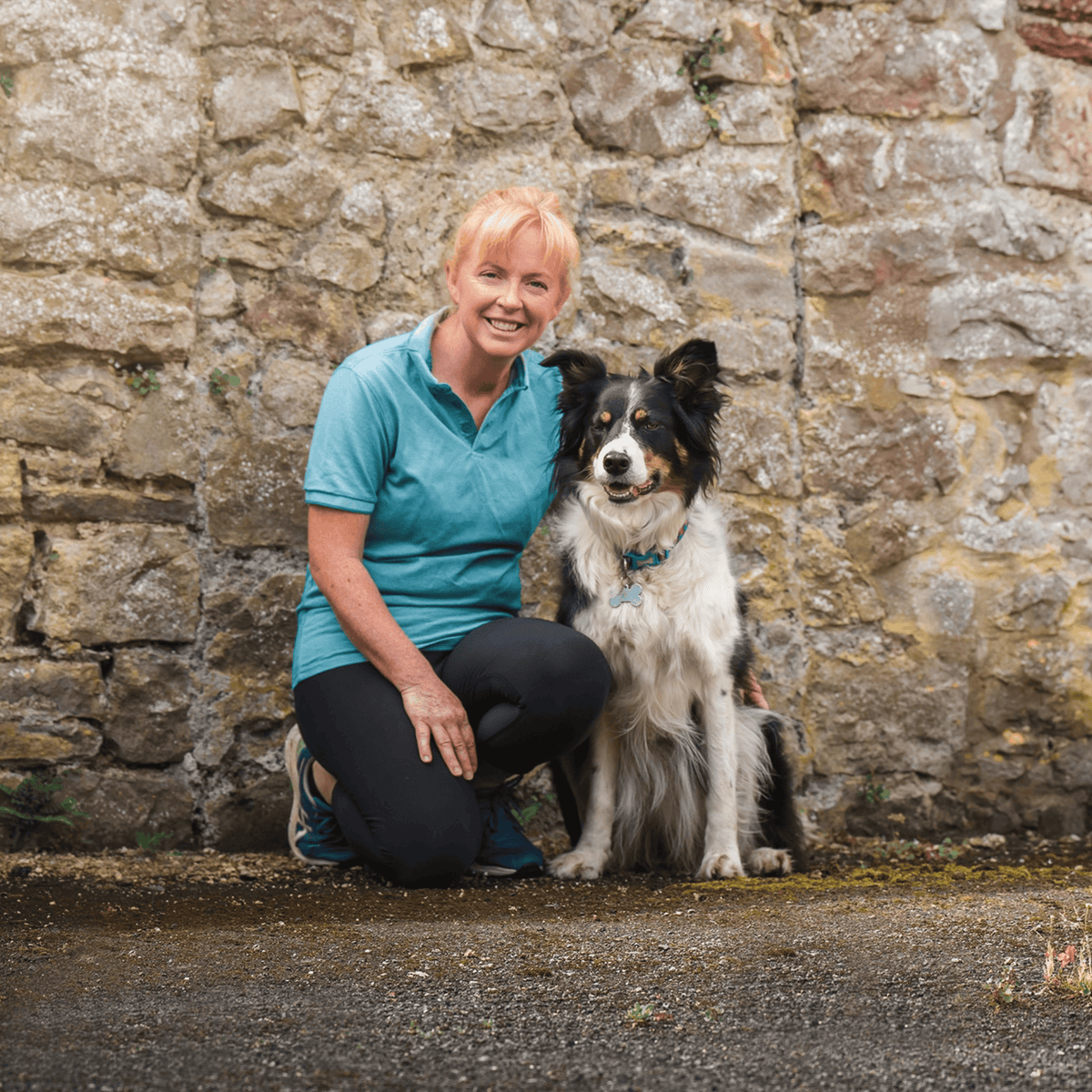
Does a knock at the door send your dog into orbit? Trainer Gemma Fisher, who works with Border Collies, shares her simple step-by-step plan for turning doorbell drama into calm. Start now and your dog will be ready for the busiest time of year.
Ding-dong. Before you've even put your mug down, your dog is at the door barking, spinning and leaping at the letterbox. You're juggling a parcel, a visitor and a dog who has completely forgotten their own name.
If that sounds familiar, you're far from alone. The doorbell is one of the most exciting sounds in a dog's day, and it's about to get much busier. Halloween brings a stream of trick-or-treaters. Then comes Christmas, with deliveries, cards, family and friends. That means a lot more knocks in a short space of time.
The good news? Now is a really good time to start doing something about it. With a little practice each day, you can teach your dog that the doorbell is a cue to think, not a signal to panic.
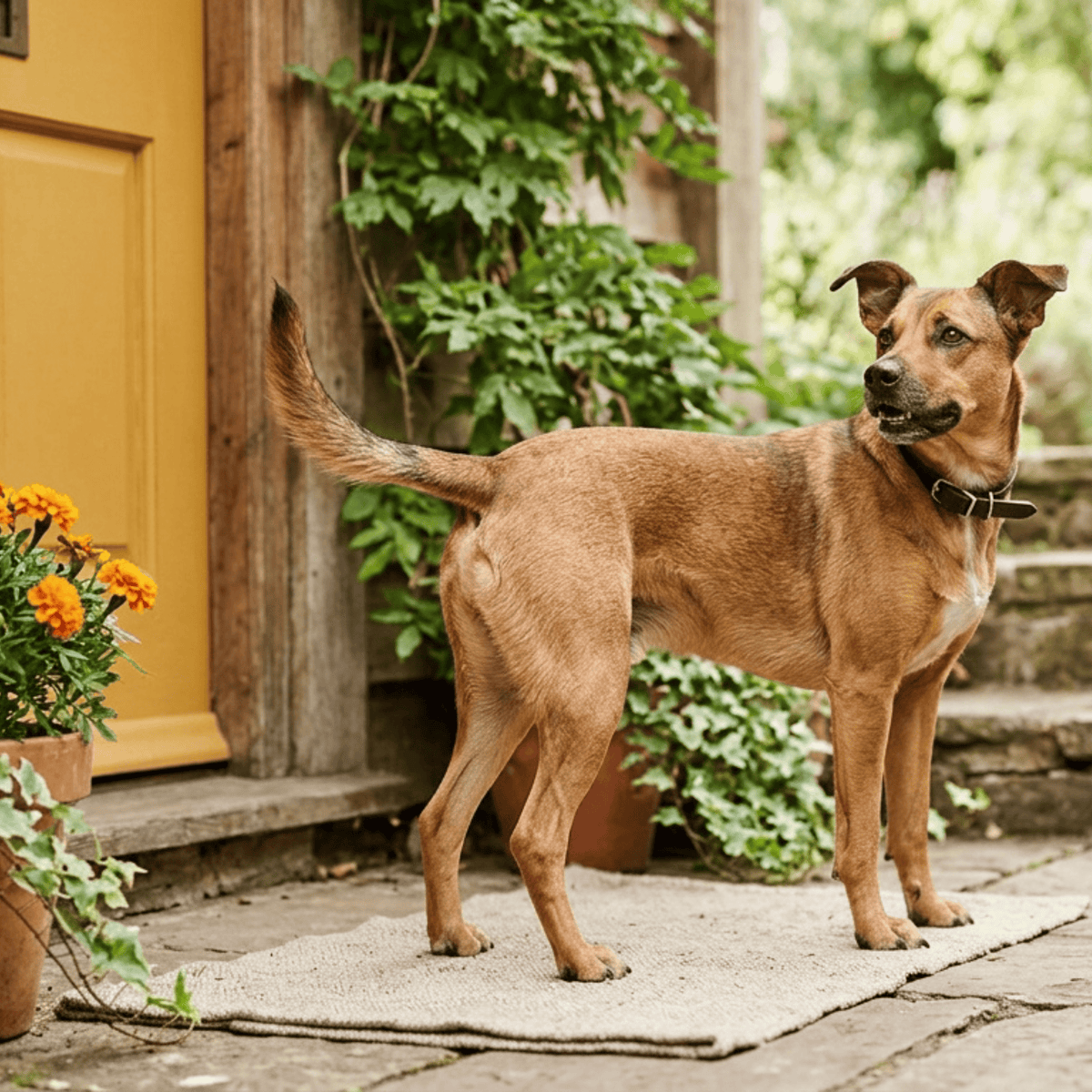
Why the doorbell causes so much drama
To your dog, the doorbell isn't just a noise. It's a reliable signal that something big is about to happen. Someone new could be arriving, a stranger might be on the doorstep, or a parcel might be landing on the mat.
For some dogs that's thrilling, and for others it's worrying. Many feel a bit of both. Either way, their excitement shoots up in a split second, and a dog in that state finds it very hard to listen.
Every time the doorbell rings and the drama plays out, your dog gets another rehearsal. The barking and rushing become a well-practised habit, and habits get stronger the more they're repeated.
What we're actually aiming for
It's worth being clear about the goal before you start. As Gemma puts it, “we're not necessarily trying to create a dog who never barks when somebody arrives. A woof to let you know someone's there is perfectly natural.”
What we're after is a dog who can hear something exciting or worrying and still be able to think. That means a dog who can notice the knock, take a breath and make a good choice, rather than going straight into full-blown doorbell drama.
Gemma's step-by-step plan
The secret is to start tiny and build up slowly. Your dog needs to succeed when things are easy before you can expect them to cope when it's for real.
Step 1: Start with the tiniest, easiest version
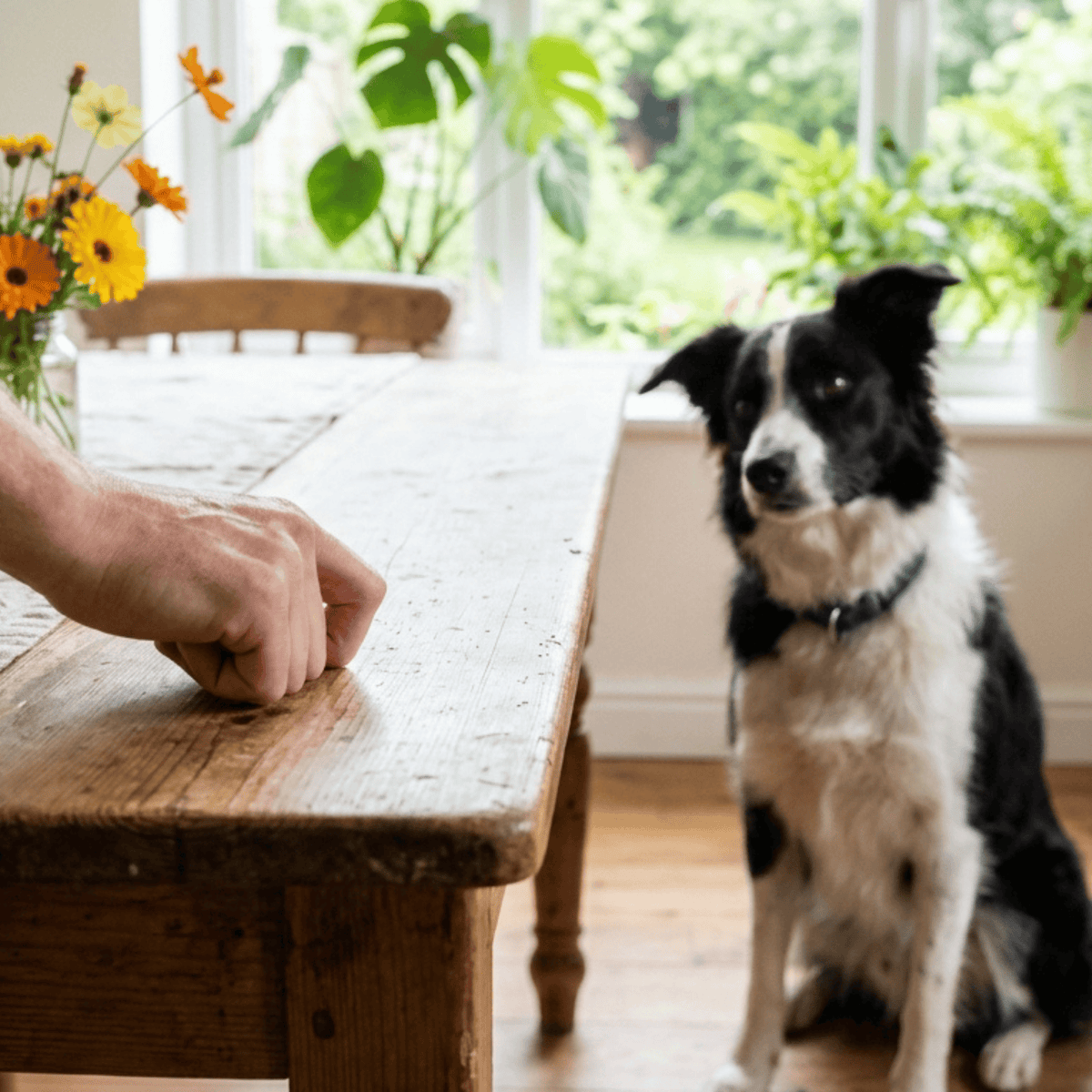
Don't start with the real doorbell. Begin with a soft knock on a table or an inside door while your dog can see you. It should be quiet enough that they notice it but don't explode.
If your dog copes, you can make it a fraction more realistic next time. If they leap up barking, it was too much too soon, so go back a step and make it easier.
Step 2: Make a knock mean a "treat shower"
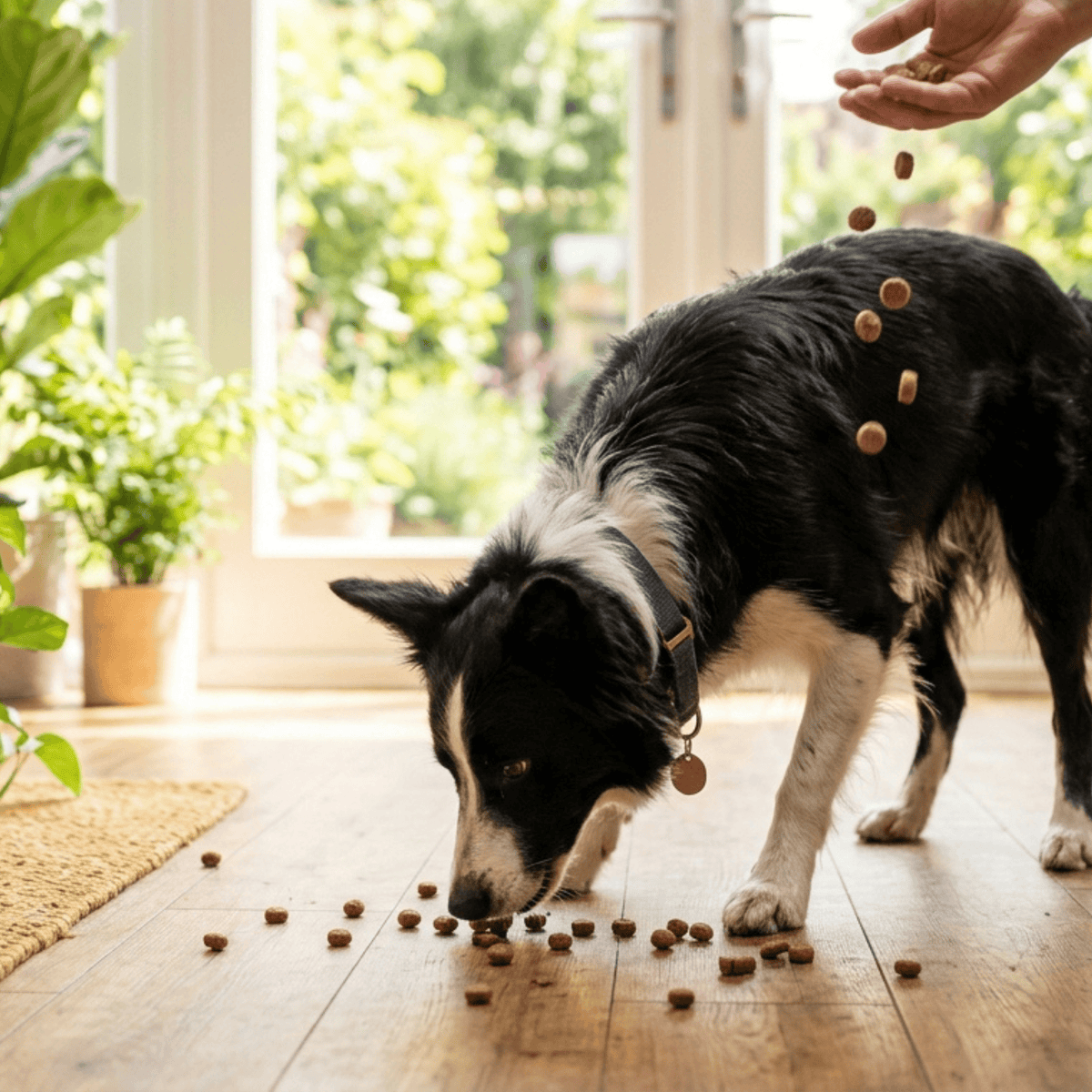
Next, change what the sound of a knock means to your dog. Give a gentle knock, then immediately scatter a handful of small treats on the floor for them to sniff out.
This does two clever things at once. The knock starts to predict something lovely rather than something alarming. Sniffing about for treats also gives your dog something calm and absorbing to do with their nose instead of charging at the door.
Repeat this a few times in a session, then stop while your dog is still enjoying it.
Step 3: Teach a brilliant "bed"
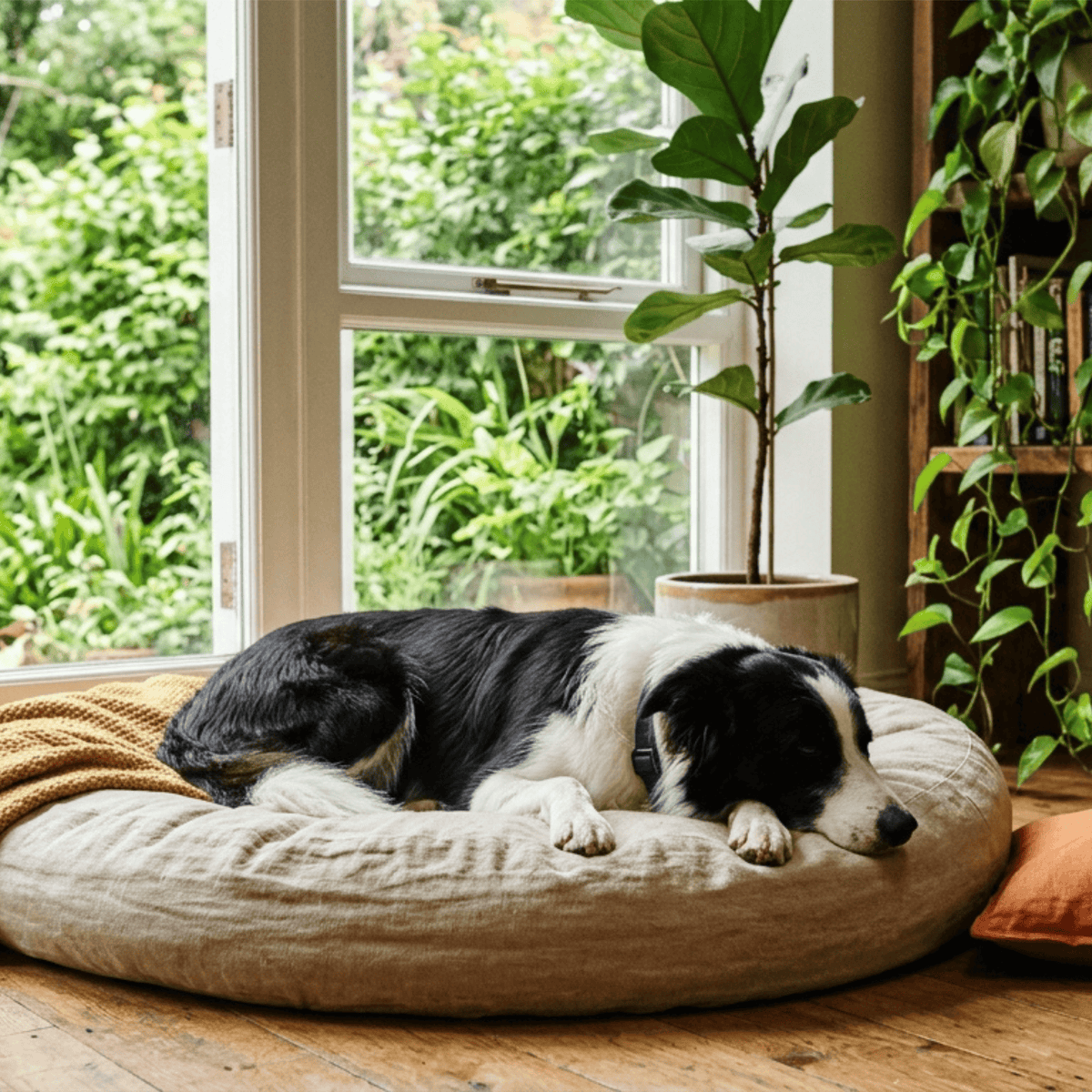
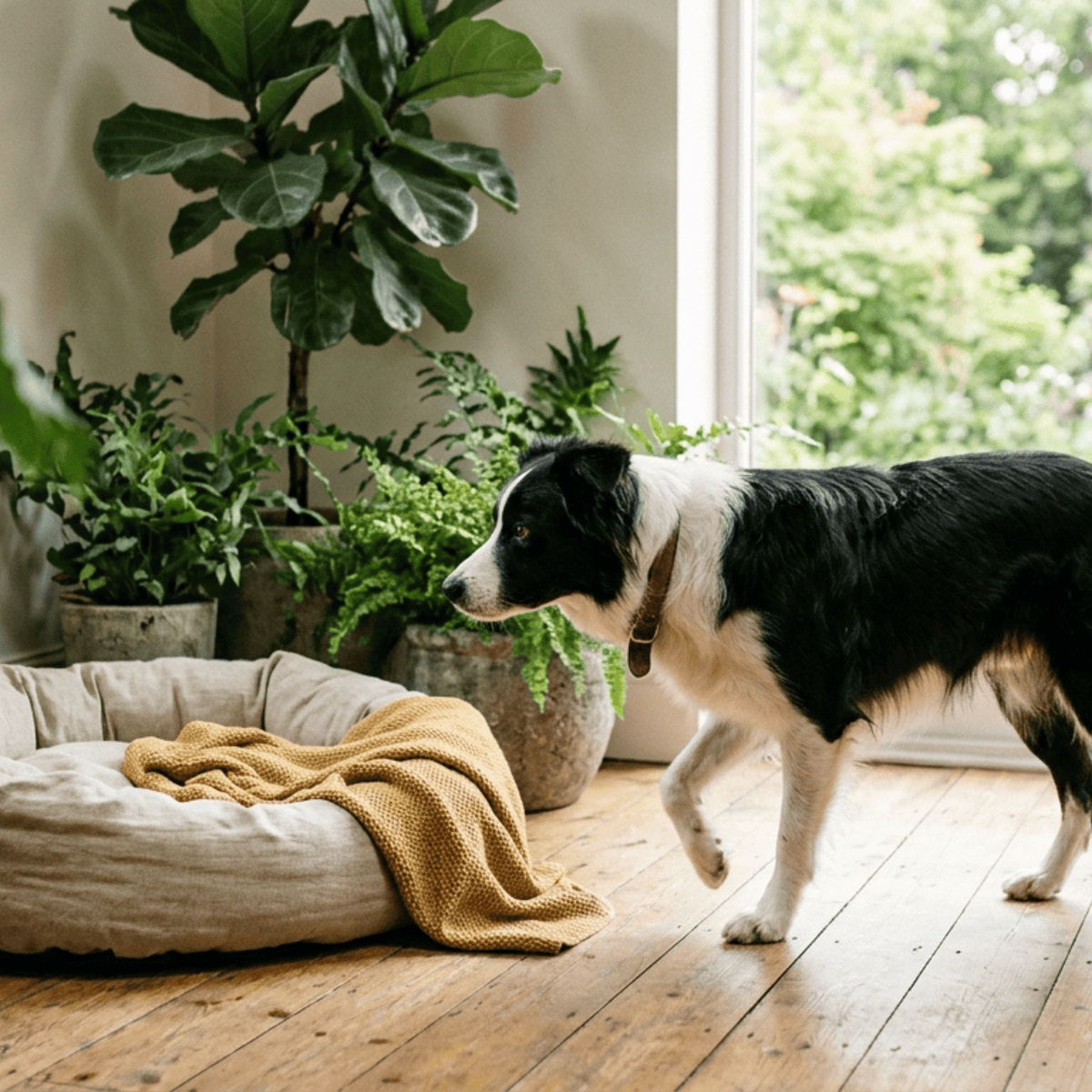
One of the most useful jobs you can give your dog around visitors is going to their bed. Gemma describes the ideal: you say "bed", and your dog thinks, "I know this one!" and off they go.
Teach this well away from the doorbell first, at a quiet time when your dog is already fairly relaxed.
- Pick a bed or mat that will be your dog's spot. A mat is handy because you can move it to wherever works best in your home.
- Say "bed" once and guide your dog onto it. Every time they get there, reward them.
- Place the treat calmly between their paws rather than handing it up from near your face. Then they don't need to get up or stare at you to earn the next one.
- Gradually let them stay a little longer before the next treat arrives, so they learn that the bed is a great place to hang out.
When your dog trots to their bed happily as soon as you say the word, you're ready to bring the doorbell into it.
Step 4: Put it together: doorbell, pause, bed
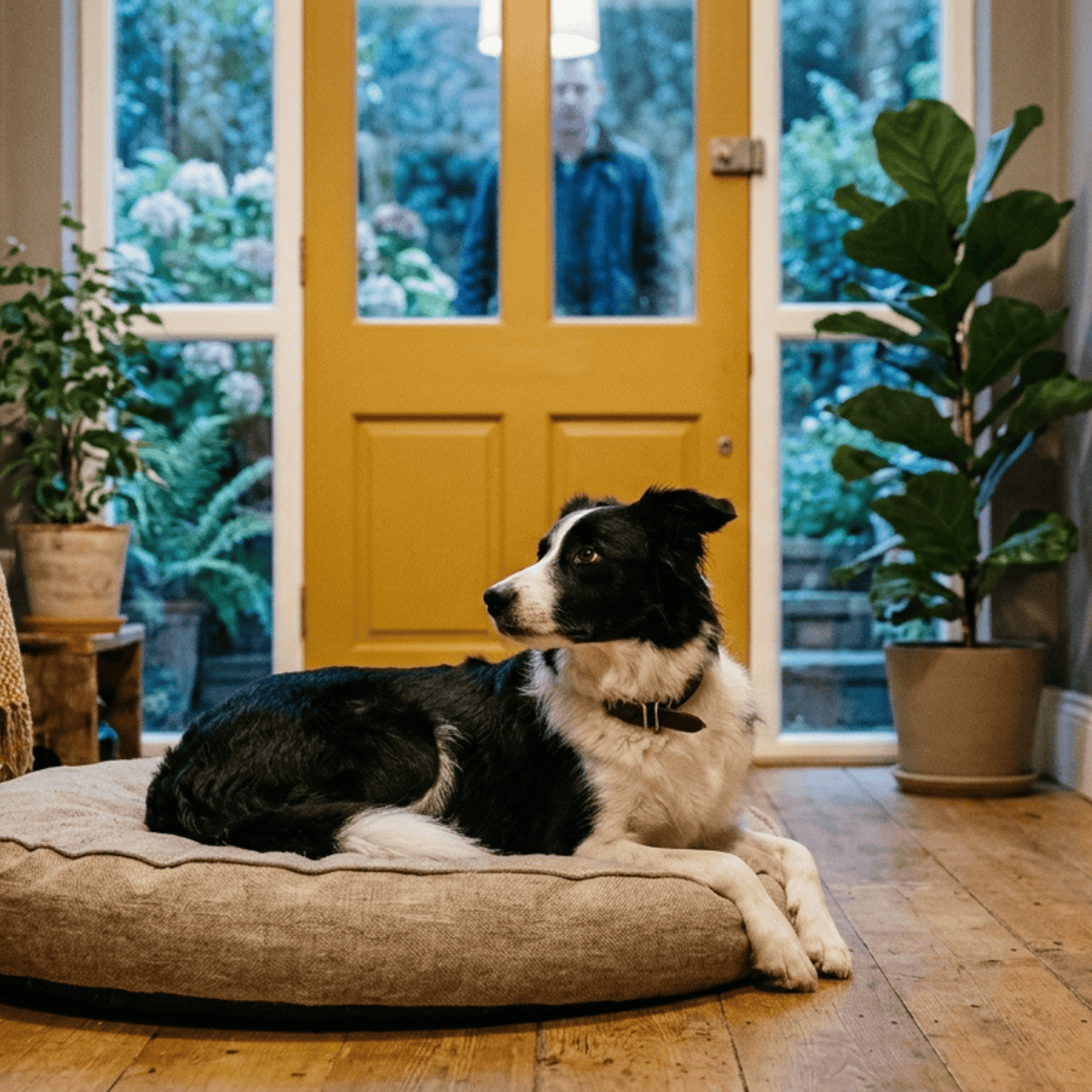
Once your dog has got the hang of the knock and has a reliable "bed", it's time to link them together. Gemma's sequence is beautifully simple:
Doorbell. Pause. "Bed."
That little pause matters. It gives your dog a moment to hear the sound, process it and get ready to listen. When they go to their bed, tell them they're lovely and reward them there. They're reinforced for choosing their bed, so it becomes the most rewarding place to be when someone knocks.
Over time you'll often find your dog starts heading to bed as soon as they hear the knock, before you've even said a word.
Step 5: Build up gradually
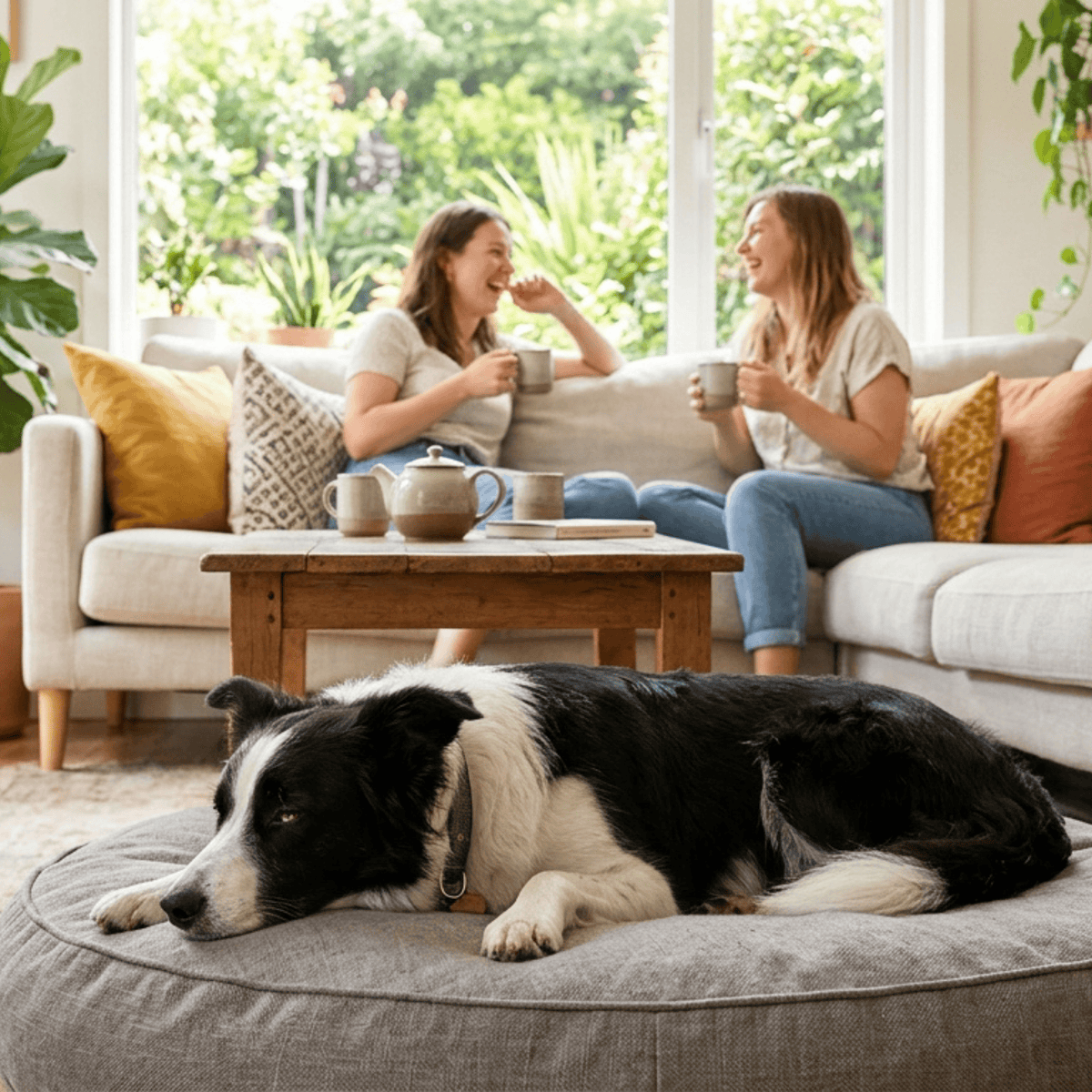
Only make things harder when the current level is easy. A sensible progression might look like this:
- A soft knock from you, in the same room
- A louder knock on an inside door
- A recording of your own doorbell played quietly, then a little louder
- A family member knocking on the front door while you stay with your dog
- The real doorbell, with a helper outside who doesn't come in
- A friendly visitor who comes in calmly and ignores your dog at first
Keep sessions short, just a few repetitions at a time, and always aim to finish on a success.
Top tips for success
Pick your moment. Practise when nobody is due to arrive and your dog is already fairly calm, such as after a walk. Don't try to teach something new while a delivery driver is on the doorstep.
- Keep your own energy low. Shouting "quiet!" over the barking can sound to your dog as though you're joining in. Calm voice, slow movements and a quiet treat on the bed work far better.
- Celebrate small wins. A bark followed by a trot to bed is a success! Reward the good choice rather than waiting for perfection.
- Watch your dog, not the clock. If they can't take a treat, can't settle or keep heading back to the door, the step is too hard. Make it easier and try again tomorrow.
- Manage real visitors while you're training. Until your dog is ready, use a baby gate, a lead or a different room when guests actually arrive, so the old habit isn't rehearsed.
- Look for relaxation, not just position. A dog lying rigidly on the bed, staring at the door, isn't really settled yet. Softening body, a lowered head and a big sigh tell you your dog is genuinely relaxing.
Getting ready for Halloween and Christmas
The festive season can bring more knocks in one evening than your dog normally hears in a month. A little preparation goes a long way.
- Start practising now. A few minutes a day over the coming weeks will make a real difference by the time the trick-or-treaters and Christmas visitors arrive.
- Make their bed the best seat in the house. Put it somewhere your dog feels safe, ideally with a view of the room but away from the front door.
- Have a long-lasting chew ready. Offering a natural chew on their bed when visitors are due gives your dog something calming to focus on while the excitement happens around them.
- Plan for busy nights. If you expect a lot of callers on Halloween, consider putting a note on the door or leaving a bowl of sweets outside. You could also settle your dog in a quieter room with a chew and some gentle music.

Choosing the right treats
This plan uses a lot of treats, so it's worth choosing them carefully. Small, soft treats your dog can eat in a second are ideal for training, and a scattered handful works brilliantly for treat showers.
Natural treats made from simple, recognisable ingredients are a great choice. For calmer moments on the bed, you can also use a little of your dog's normal food rather than high-excitement treats. Just remember to count training treats as part of your dog's daily food allowance, and adjust their meals if you're doing lots of practice.
Start small, start today
You don't need to fix doorbell drama overnight. You just need to begin. Teach a happy "bed", turn knocks into treat showers, and build up one small step at a time. Bit by bit, the doorbell will stop being a starting gun and become a cue your dog knows exactly how to answer.