
 Puppy
Puppy
 Dog
Dog
 Senior
 Beef
Beef
 Chicken
 Duck
Duck
 Fish
Fish
 Lamb
Lamb
 Tripe
Tripe
 Turkey
 Kitten
 Cat
Cat

Blue-Green Algae: What Dog Owners Need to Know
Every summer, warnings go up around lakes, ponds and reservoirs across the UK about blue-green algae. For dog owners, this isn't just a minor inconvenience to a swim. Blue-green algae is one of the few outdoor hazards that can kill a healthy dog within hours of exposure, and many owners have never heard of it until it's too late.
Here's what it actually is, why it's so dangerous, and how to keep your dog well away from it.
What Is Blue-Green Algae?
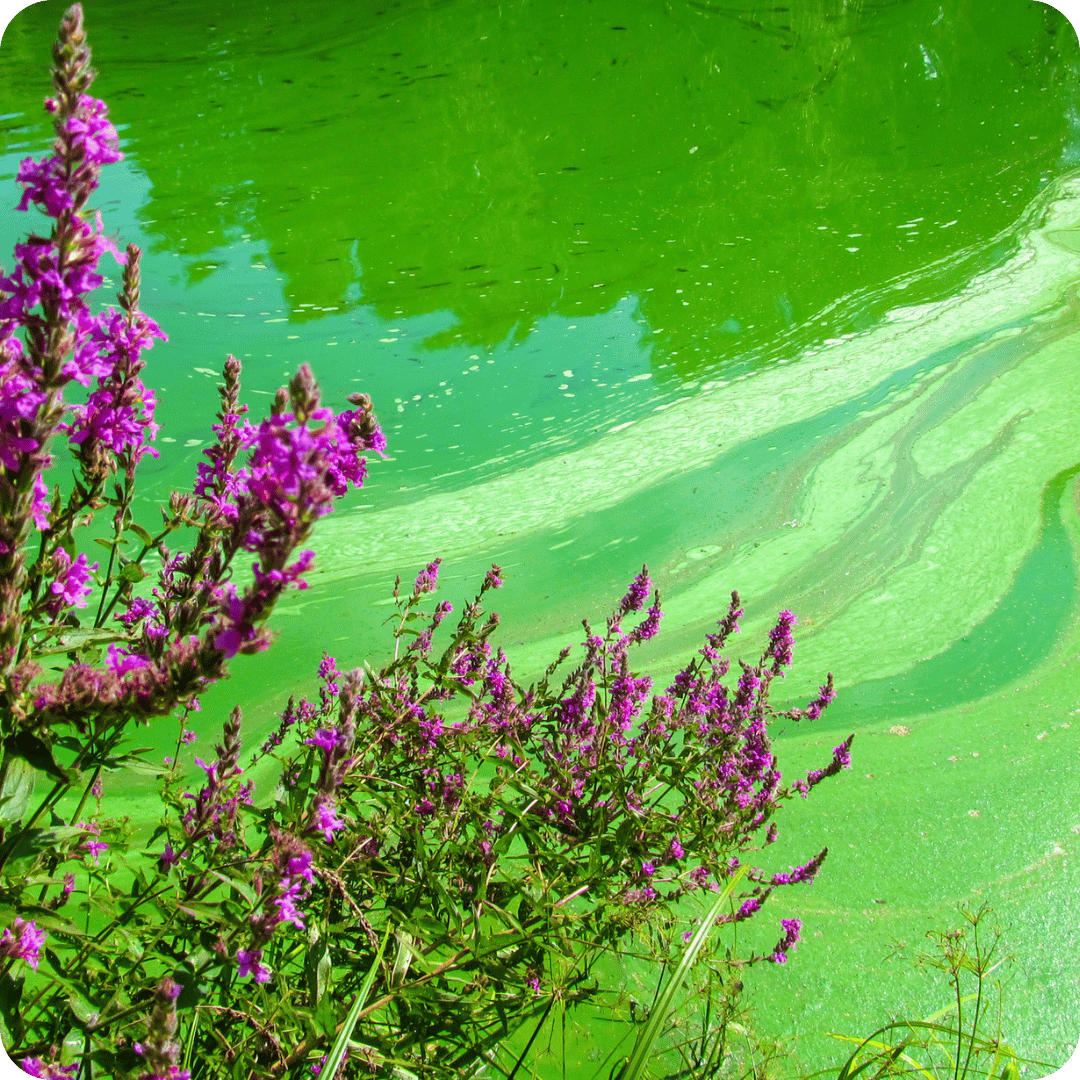
Despite the name, blue-green algae isn't actually algae. It's a type of bacteria called cyanobacteria, and it occurs naturally in still or slow-moving freshwater, including ponds, lakes, canals and reservoirs.
In warm, sunny conditions, especially when the water is nutrient-rich from fertiliser run-off or organic matter, these bacteria multiply rapidly and form visible blooms on the water's surface. This is why blue-green algae is almost always a summer problem, with blooms most common from June to September, though they can appear earlier or later in a mild year.
Not every bloom is toxic, but there's no reliable way to tell a dangerous bloom from a harmless one just by looking at it. That's exactly why vets and water authorities advise treating all blue-green algae as a potential threat.
Why It's So Dangerous
Certain strains of cyanobacteria produce powerful toxins, and these are what make blue-green algae genuinely life-threatening rather than just unpleasant. The two main types are:
- Neurotoxins (such as anatoxins), which affect the nervous system and can cause rapid muscle paralysis and breathing failure.
- Hepatotoxins (such as microcystins), which target the liver and can cause severe, sometimes irreversible liver damage.
What makes this particularly dangerous for dogs is the speed. Symptoms can appear within minutes of exposure, and in severe cases, a dog can die within an hour or two of contact, often before an owner has time to reach a vet. This isn't a hazard where you can afford to wait and see.
How Dogs Are Exposed
Dogs don't need to drink large amounts of contaminated water to be affected. Common routes of exposure include:
- Drinking from a pond, lake or puddle where a bloom is present
- Swimming through algae and then licking it off their fur while drying off or grooming
- Eating dried algae scum from the shoreline, which can still contain concentrated toxins
- Simply wading through shallow, algae-affected water
Because the toxins don't need to be swallowed in large quantities to cause serious harm, even a brief paddle in the wrong spot can be enough.
Signs of Blue-Green Algae Poisoning
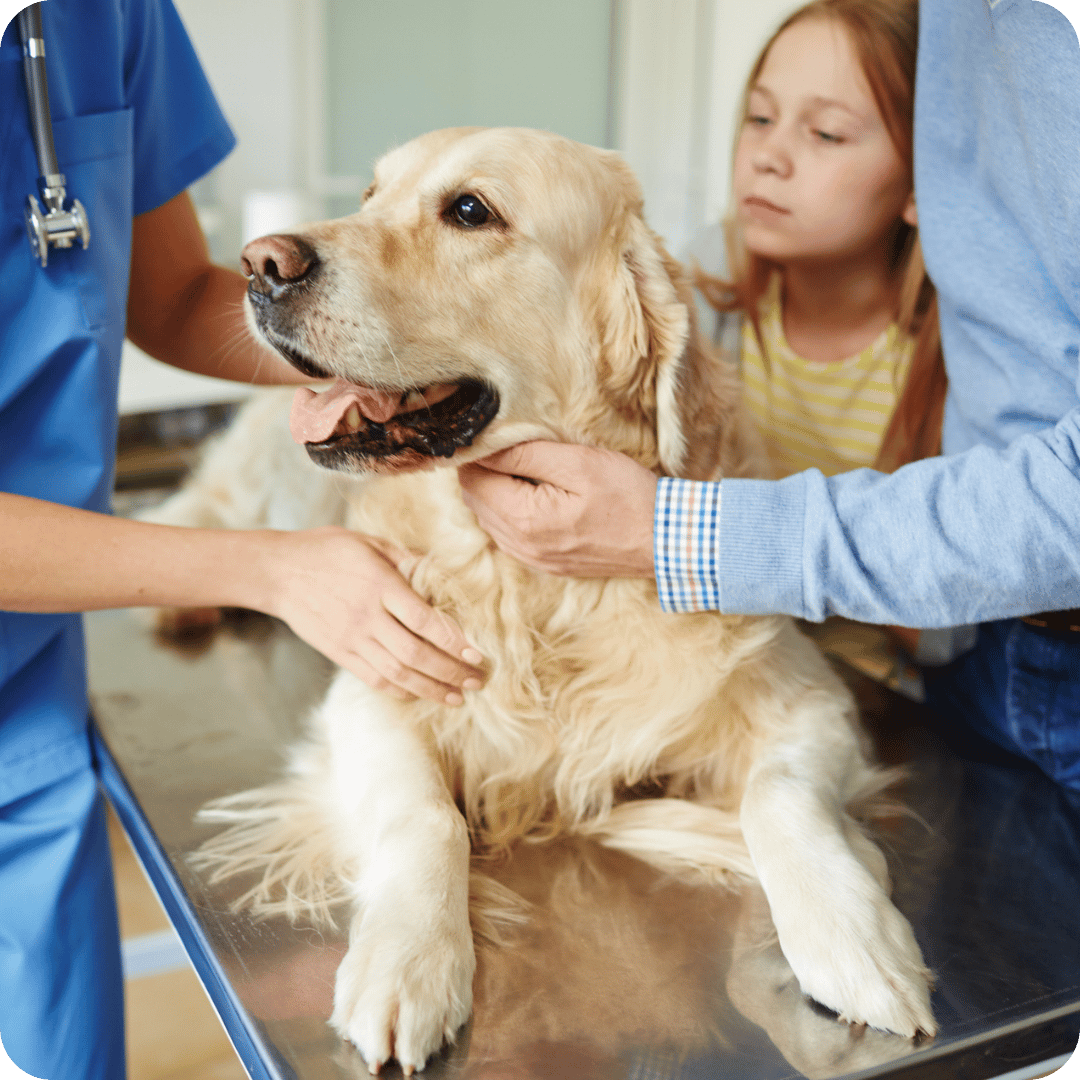
Symptoms usually appear very quickly, often within 30 minutes to a few hours of exposure. Watch for:
- Vomiting and diarrhoea
- Excessive drooling
- Weakness, staggering, or difficulty standing
- Muscle tremors or seizures
- Difficulty breathing
- Collapse
- Signs of liver damage, including jaundice (a yellow tinge to the gums or eyes), lethargy, and loss of appetite in the hours following exposure
IIf you notice any of these signs after your dog has been near open water, treat it as an emergency. Don't wait to see if symptoms pass on their own.
What To Do If You Suspect Exposure
- Get to a vet immediately, even if symptoms haven't started yet. Speed makes a real difference with algae toxicity.
- Rinse your dog off with clean water as soon as possible to remove any algae from their coat, reducing the chance of them ingesting more while grooming themselves.
- Don't try to treat it at home. There's no safe way to induce vomiting or manage this without veterinary support, and delaying treatment reduces the chances of a good outcome.
- Try to identify the water source if you can, and mention it to your vet. This can help guide treatment and may also help alert local authorities to test the water.
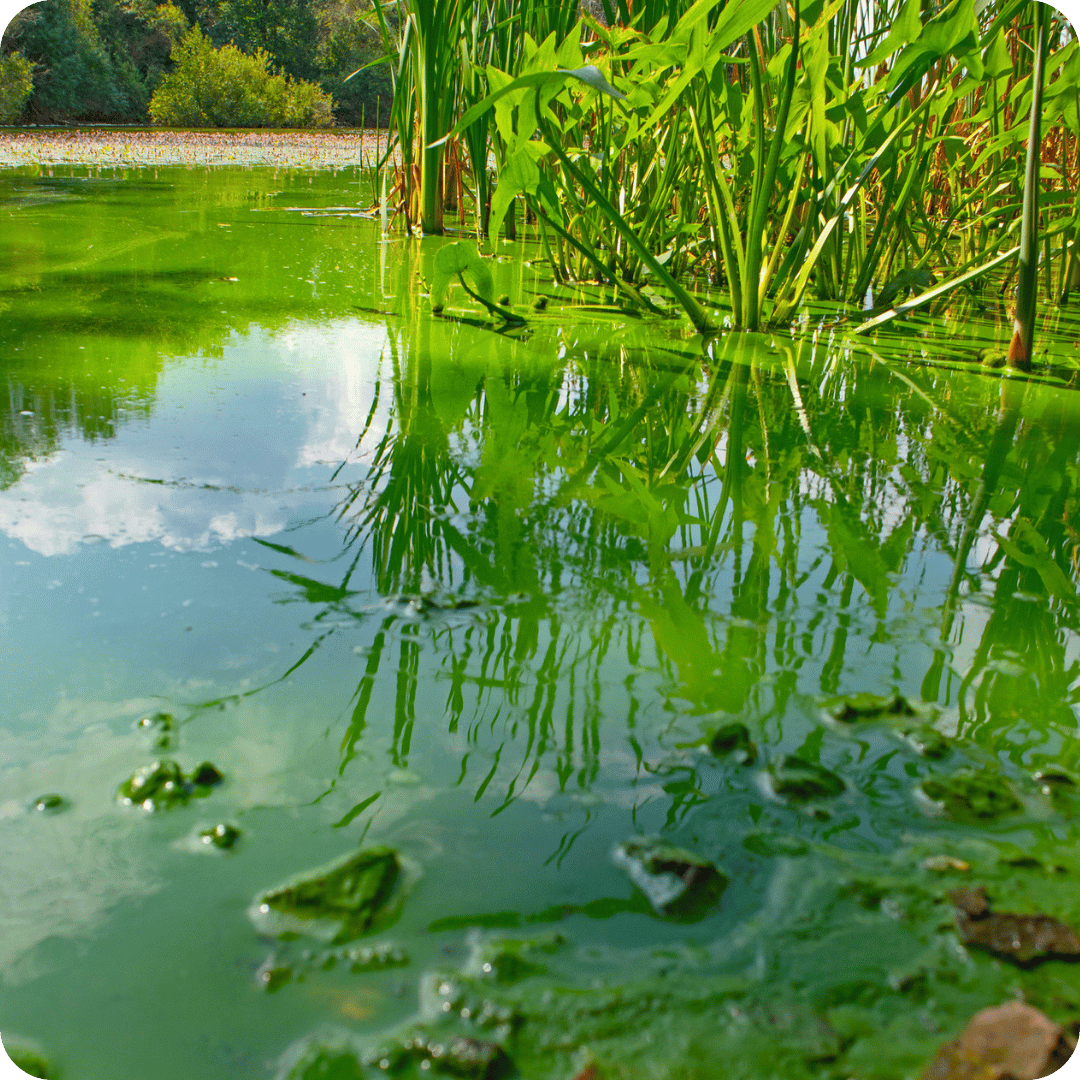
How to Spot a Bloom
Blue-green algae blooms can look different depending on the species involved, but common signs include:
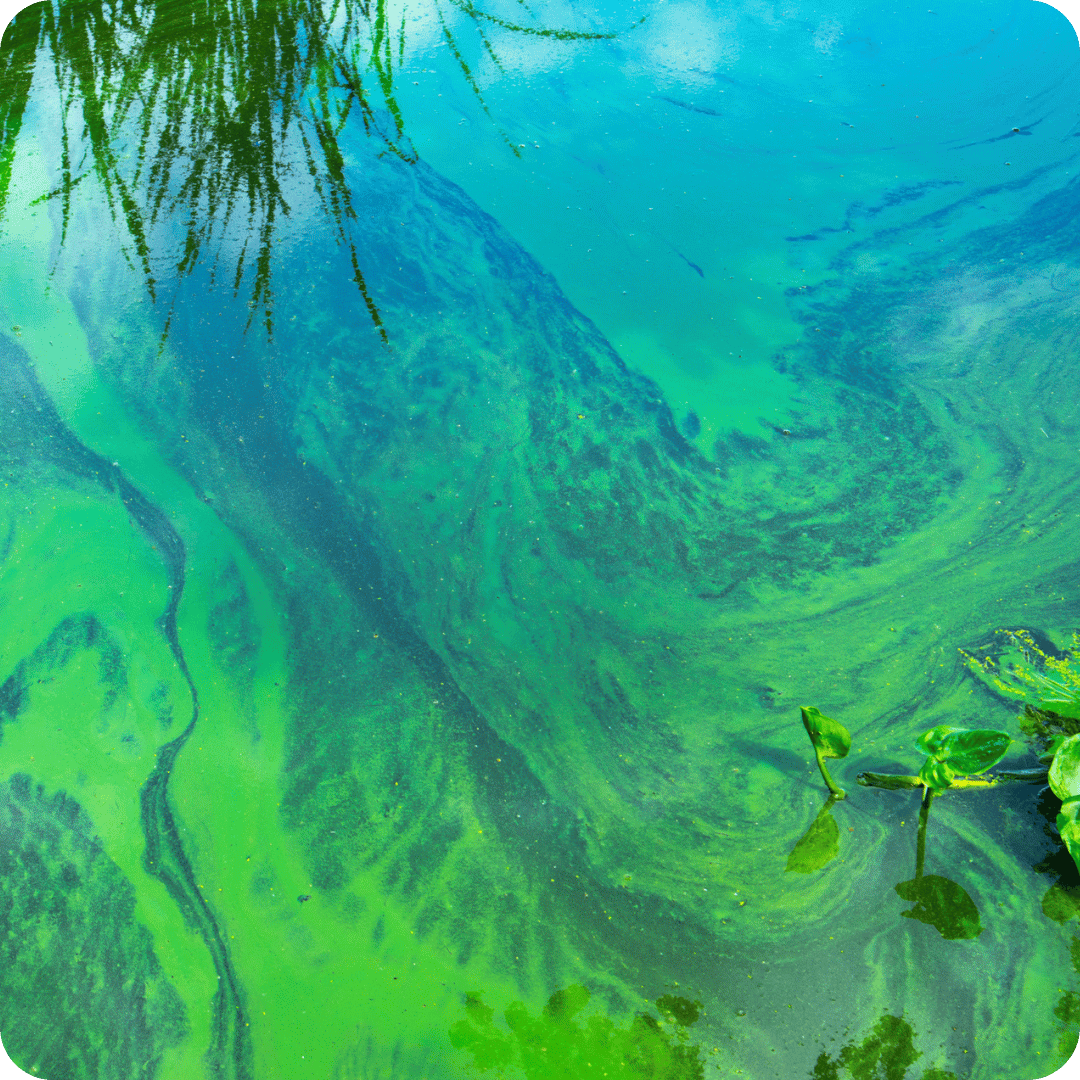
- Water that looks like green, blue-green, or greenish-brown paint has been spilled on the surface
- A thick, scummy layer, particularly near the edges of a pond or lake
- A musty or unpleasant smell coming from the water
- Small clumps or streaks of colour floating on otherwise clear water
Many affected sites will have official warning signs posted by local councils or water authorities during bloom season, so it's always worth checking before letting your dog near open water in summer, particularly in a spot you don't know well.
Reducing the Risk
- Check for warning signs at lakes, reservoirs and ponds before letting your dog off lead near the water.
- Avoid still or stagnant water entirely during warm weather, even if you can't see an obvious bloom.
- Bring fresh water and a bowl on walks so your dog isn't tempted to drink from ponds or puddles.
- Rinse your dog off after any swim in a lake, pond or river, just in case.
- Keep dogs on a lead near known problem areas, especially during and after hot, dry spells when blooms are more likely to form.
Supporting Your Dog's General Health
Blue-green algae poisoning is a medical emergency that needs immediate veterinary treatment. No diet or supplement can prevent or treat it, and prompt vet care is always the priority if you suspect exposure.
That said, a dog's overall organ health and condition can make a genuine difference to how well their body copes with illness and recovers afterwards. A natural, high-quality diet that supports healthy liver and kidney function through good-quality protein and minimal artificial additives is a sensible part of a dog's everyday care, alongside the sort of common-sense precautions above. At Natural Instinct, our raw recipes are built around human-grade meat and natural ingredients, designed to support your dog's overall condition day to day.
Key Takeaways
- Blue-green algae is a type of toxic bacteria, not true algae, and it thrives in warm, still freshwater during summer.
- Some strains produce toxins that attack the liver or nervous system, and poisoning can be fatal within hours.
- Dogs can be exposed by drinking contaminated water, swimming through a bloom, or licking it off their fur.
- Symptoms include vomiting, weakness, drooling, seizures, and collapse, and they can appear very quickly.
- There's no way to tell a toxic bloom from a safe one by sight, so it's best to avoid all algae-affected water.
- If you suspect exposure, treat it as an emergency and get to a vet immediately.
A little caution around open water in summer goes a long way. Check before you let your dog swim, and when in doubt, keep them out.
Want to support your dog's overall health and condition through the warmer months? Explore our health benefits page or browse our raw dog food range.
Frequently Asked Questions
Yes. Certain strains produce toxins that affect the liver or nervous system, and in severe cases, a dog can die within a few hours of exposure. It's treated as a genuine emergency by vets.
Often within 30 minutes to a few hours, though this can vary depending on how much a dog was exposed to and which toxin is involved.
No, but there's no reliable way to tell a toxic bloom from a harmless one just by looking. Vets and water authorities recommend avoiding all blue-green algae blooms as a precaution.
Rinse them off with clean water straight away, watch closely for any symptoms, and contact your vet immediately if you notice vomiting, weakness, drooling, or any other concerning signs.
Yes. Swimming through algae and then licking it off their coat, or eating dried algae scum on the shore, can both cause poisoning without the dog drinking any water directly.
It's most common from June to September, when warm weather and still water create ideal conditions for blooms, though it can occasionally appear outside these months in a mild year.