
 Puppy
Puppy
 Dog
Dog
 Senior
 Beef
Beef
 Chicken
 Duck
Duck
 Fish
Fish
 Lamb
Lamb
 Tripe
Tripe
 Turkey
 Kitten
 Cat
Cat

Mushrooms in Autumn: Which Ones Are Dangerous for Dogs?
Quick Answer
Autumn's damp weather triggers a surge in wild mushrooms, and some, especially the death cap and destroying angel, contain toxins that cause fatal liver damage, even in small amounts. Because toxic and harmless mushrooms often look nearly identical, vets recommend treating any wild mushroom your dog eats as a potential emergency. Symptoms can appear within hours or, in the most dangerous cases, only after a deceptive period of apparent recovery. If your dog eats a wild mushroom, contact your vet immediately, even if they seem fine.
Mushrooms in Autumn
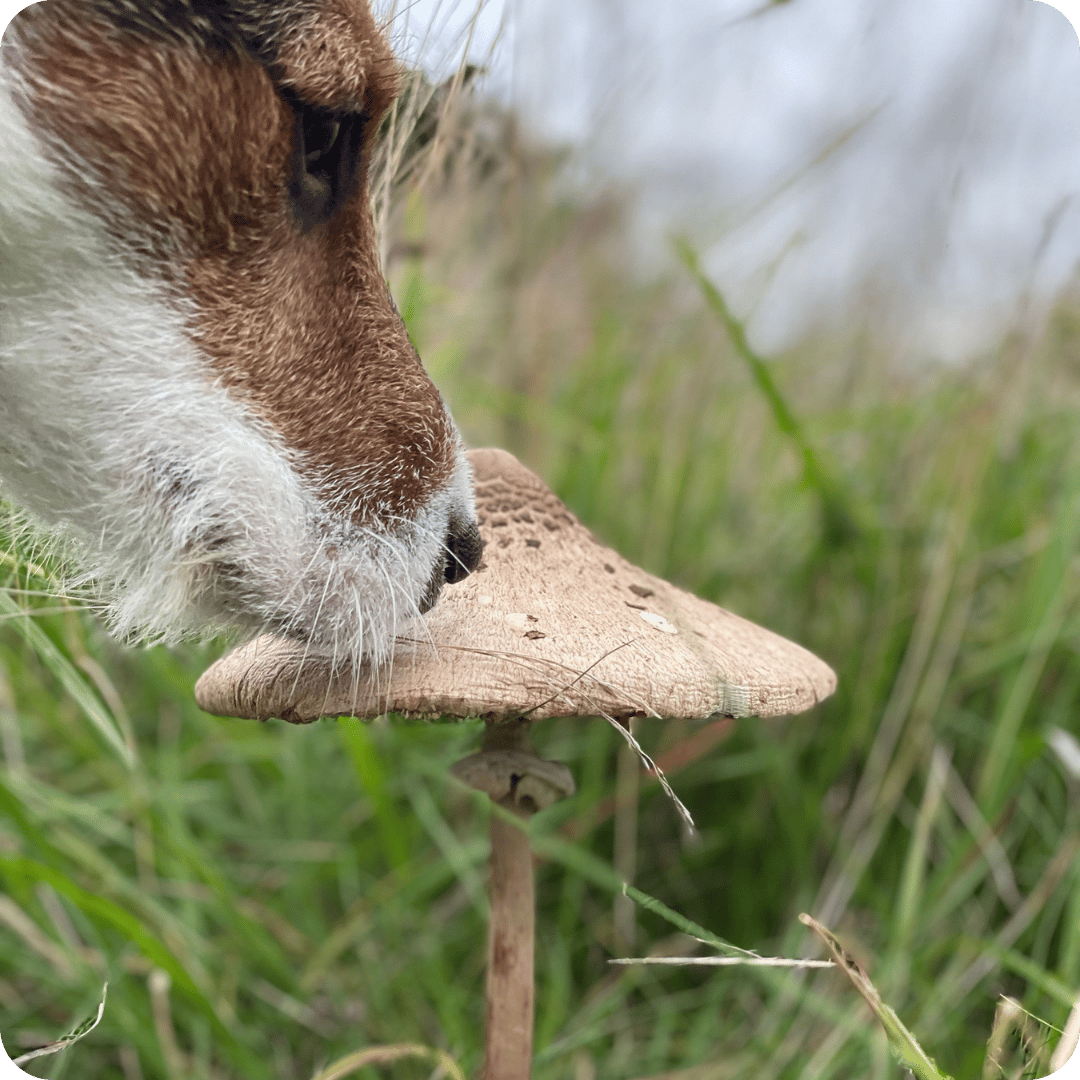
Autumn brings damp mornings, falling leaves, and a sudden explosion of wild mushrooms in gardens, parks and woodland. For most people, it's just part of the season. For dog owners, it's worth paying proper attention to, because some of the mushrooms popping up right now are genuinely dangerous, and a few can be fatal.
Here's what makes autumn mushrooms such a real risk, which types cause the most concern, and what to do if you think your dog has eaten one.
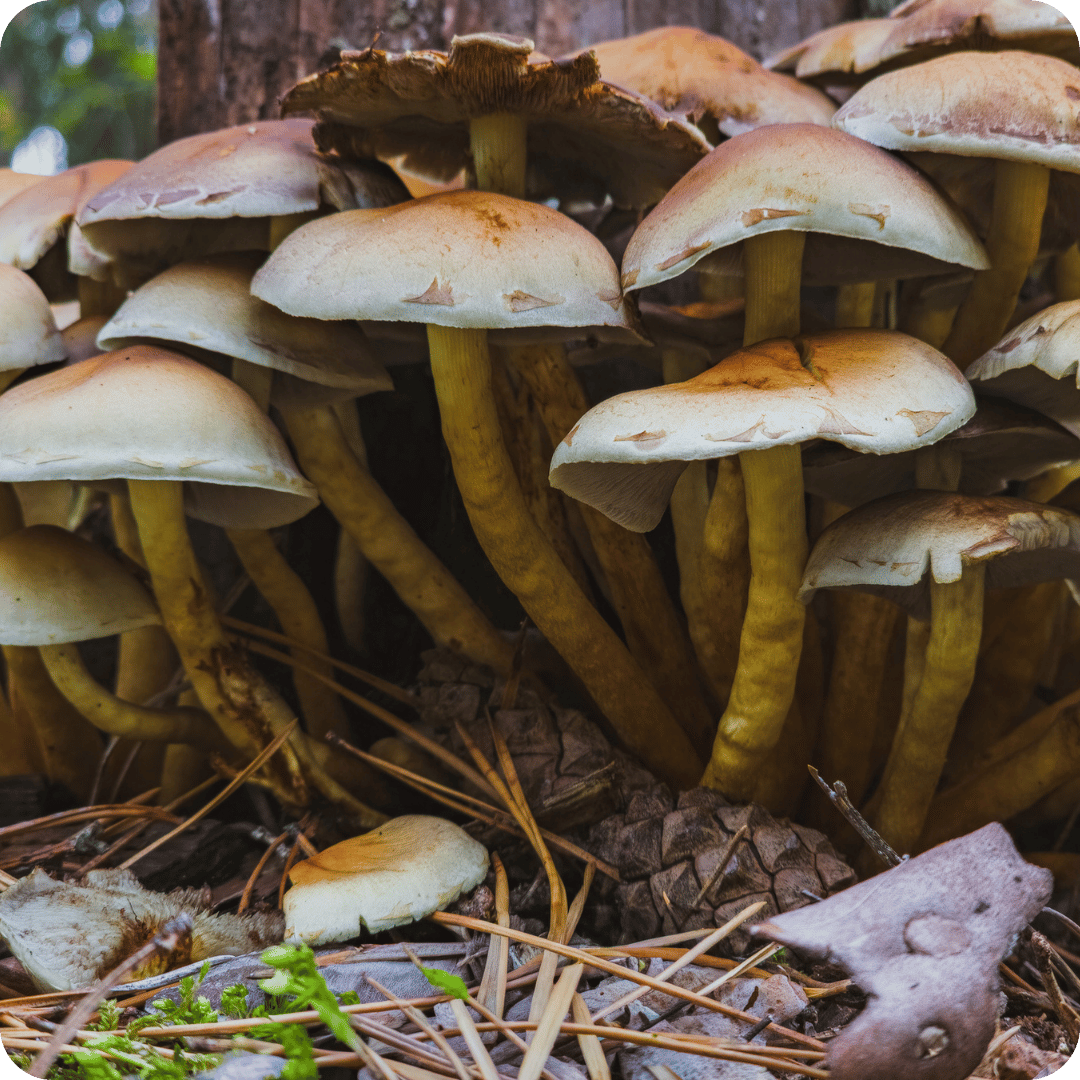
Why Autumn Is Peak Mushroom Season
Mushrooms are the visible fruiting bodies of fungi that live mostly underground or within decaying wood. They tend to appear after a stretch
of warm, damp weather, which makes autumn, with its cooler days and heavier dew, an ideal time for them to spring up.
You'll find them scattered through woodland, along hedgerows, on lawns, and sometimes right in the middle of a garden lawn overnight. Dogs, being naturally curious and often not fussy about what goes in their mouths, are far more likely to encounter and eat a wild mushroom during autumn walks than at any other time of year.
Why Wild Mushrooms Are So Risky
The core problem is that toxic and harmless mushrooms can look remarkably similar, even to experienced foragers. There's no simple visual test, smell, or trick that reliably tells a safe mushroom from a dangerous one,
which is exactly why professional foragers train for years before eating anything they find in the wild.
For dog owners, this means the safest approach is to treat every wild mushroom as a potential hazard rather than trying to identify it on the spot. By the time a mushroom is confirmed safe or dangerous, your dog may have already eaten it.
Mushrooms That Pose the Biggest Risk
While there are thousands of mushroom species in the UK, a handful are responsible for the most serious poisoning cases in dogs.
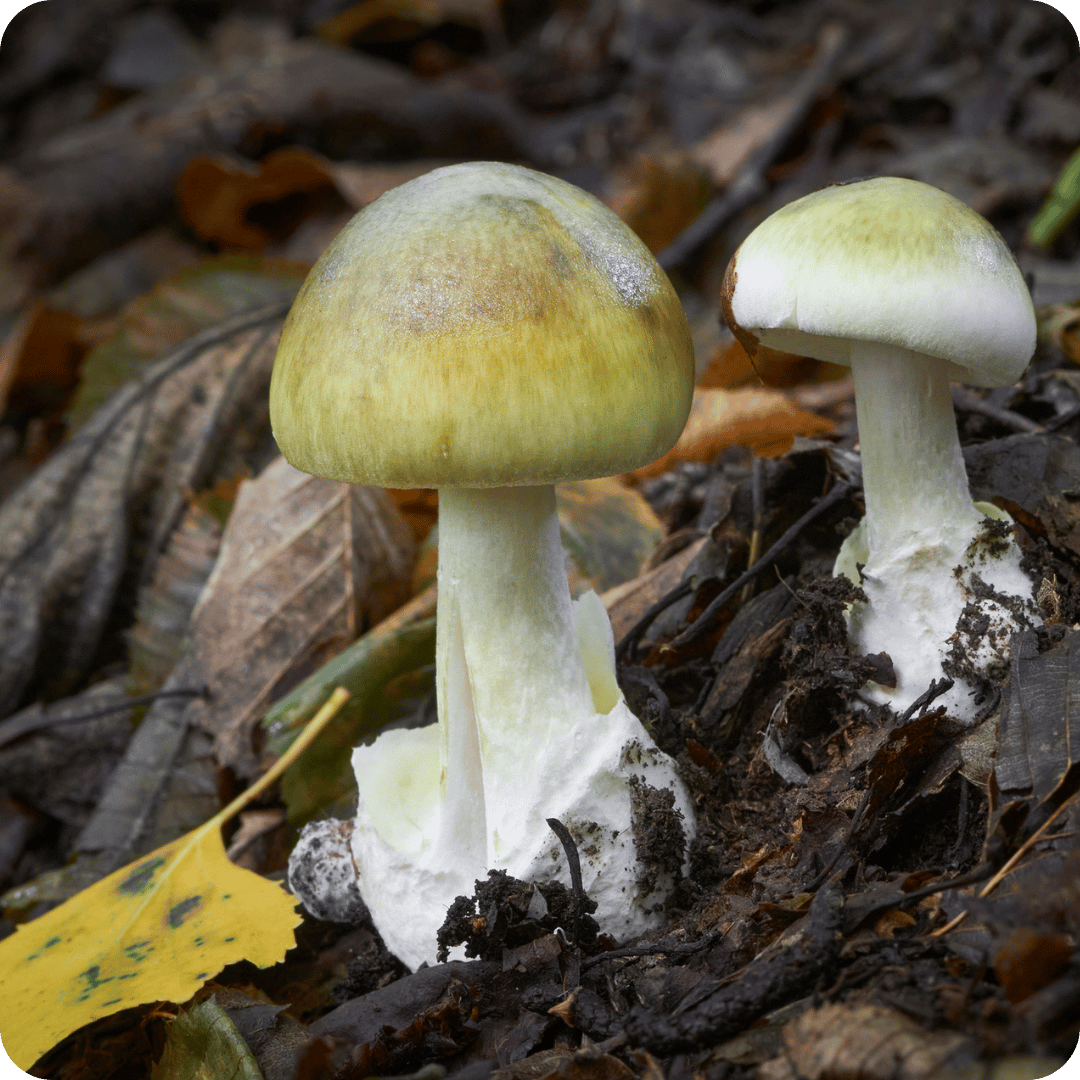
Death cap
Widely considered the most dangerous mushroom in the UK, the death cap contains toxins that cause severe liver damage. It has a pale greenish-yellow cap and is often found near broadleaf trees such as oak. Even a small amount can be fatal.
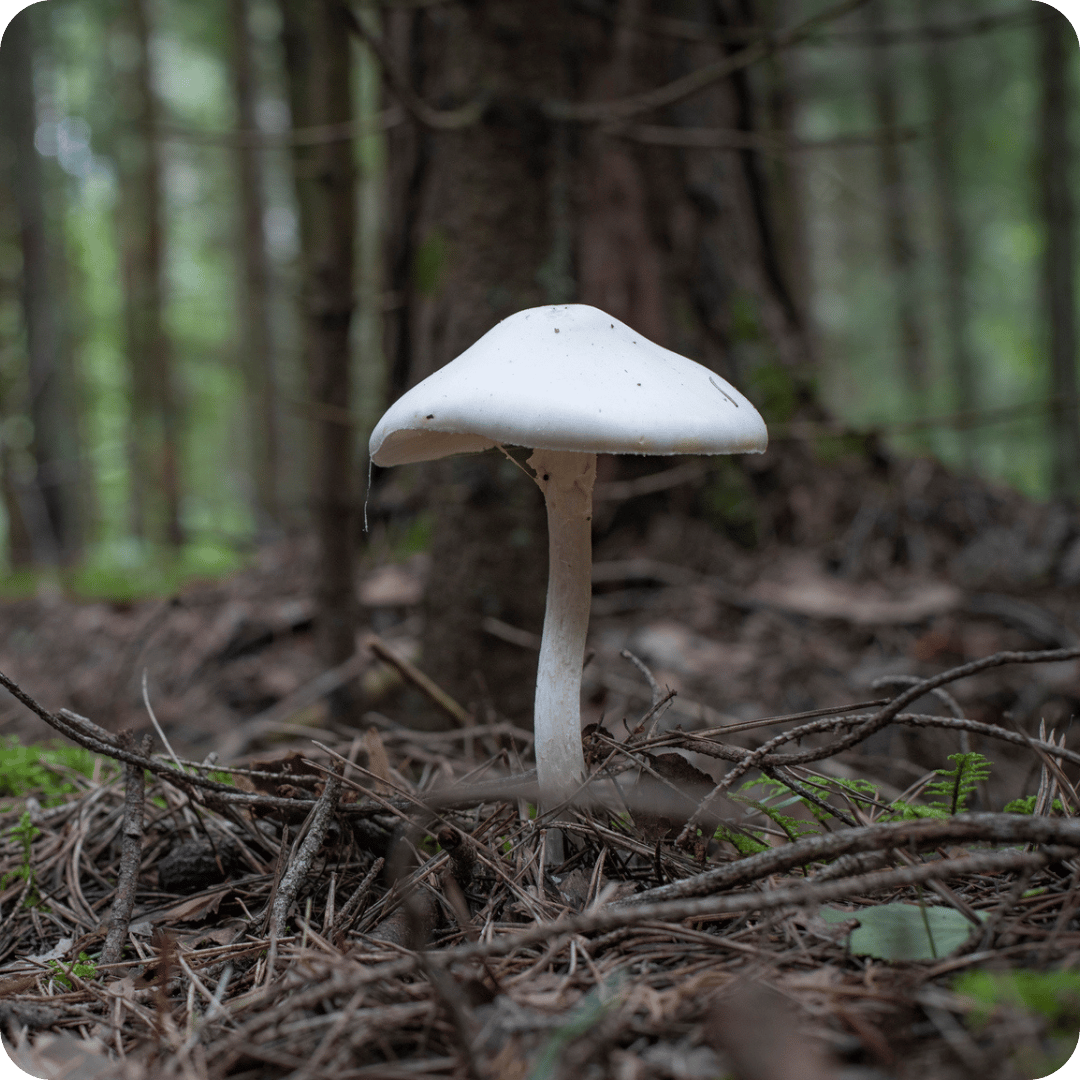
Destroying angel
A close relative of the death cap, the destroying angel is almost pure white and just as dangerous. It contains the same type of liver-damaging toxins.
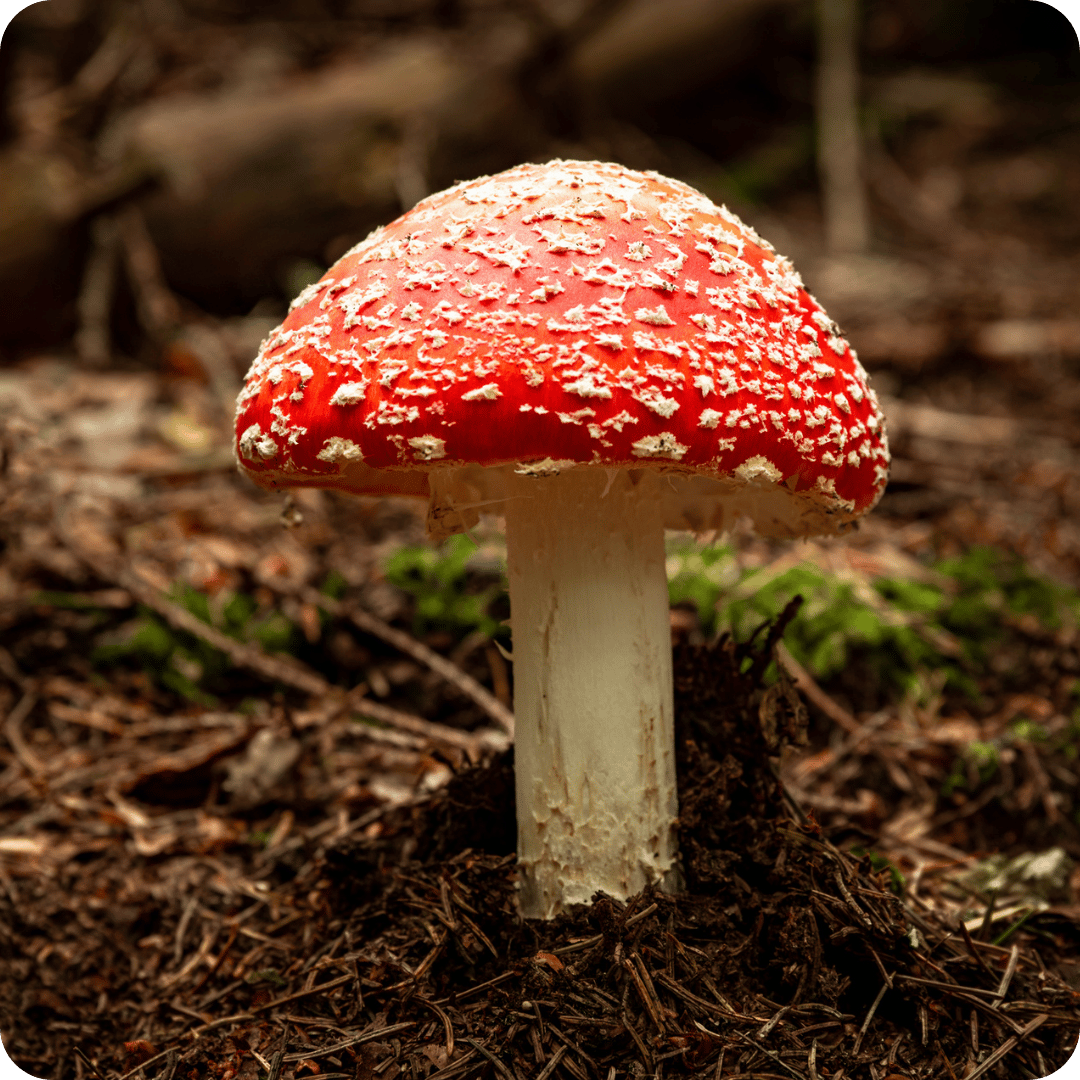
Fly agaric
Recognisable by its bright red cap with white spots, the fly agaric is one of the most iconic mushrooms and unfortunately one dogs are quite likely to encounter. It affects the nervous system and can cause disorientation, tremors, and other neurological symptoms.
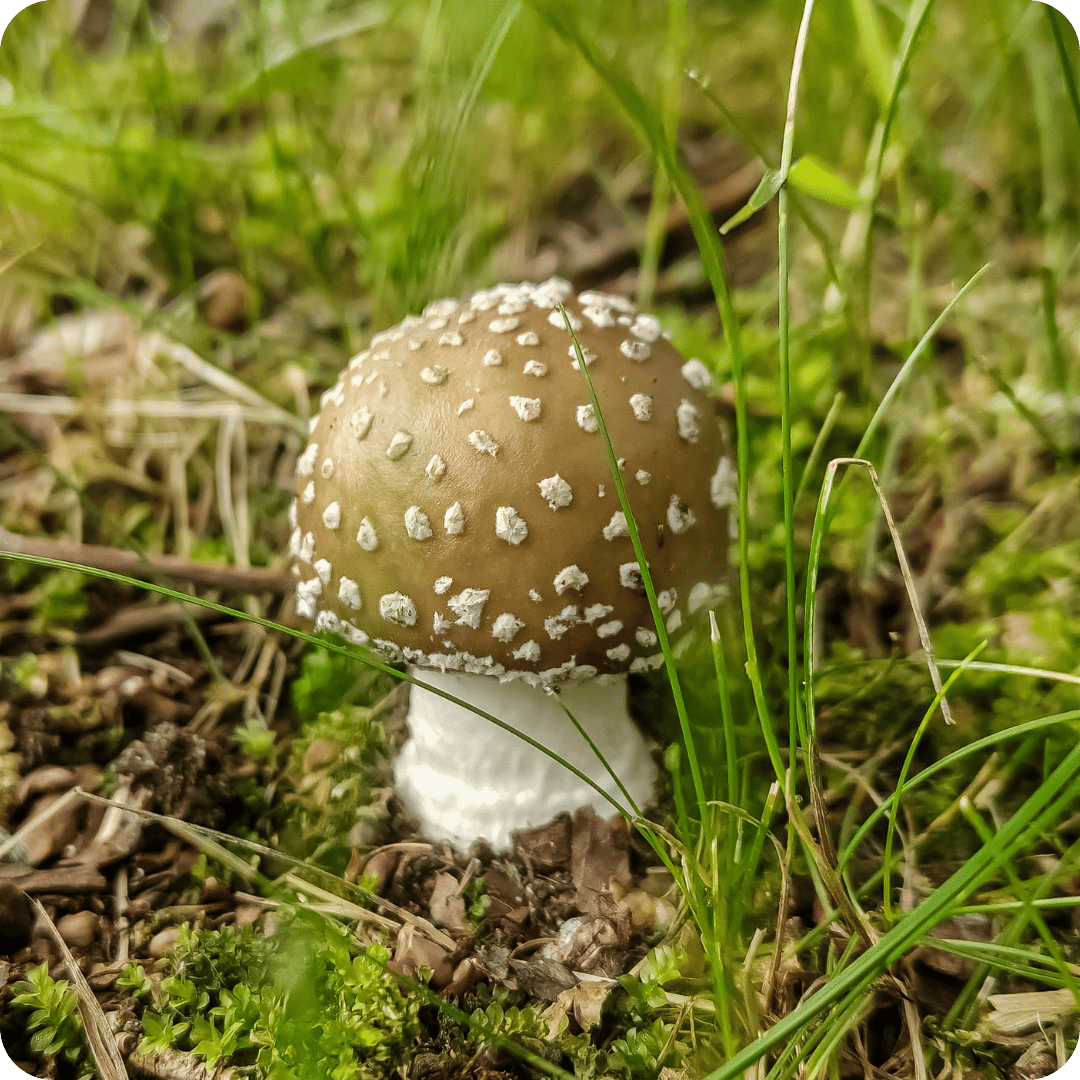
Panther cap
Similar in effect to the fly agaric, the panther cap has a brown cap with white patches and also affects the nervous system.
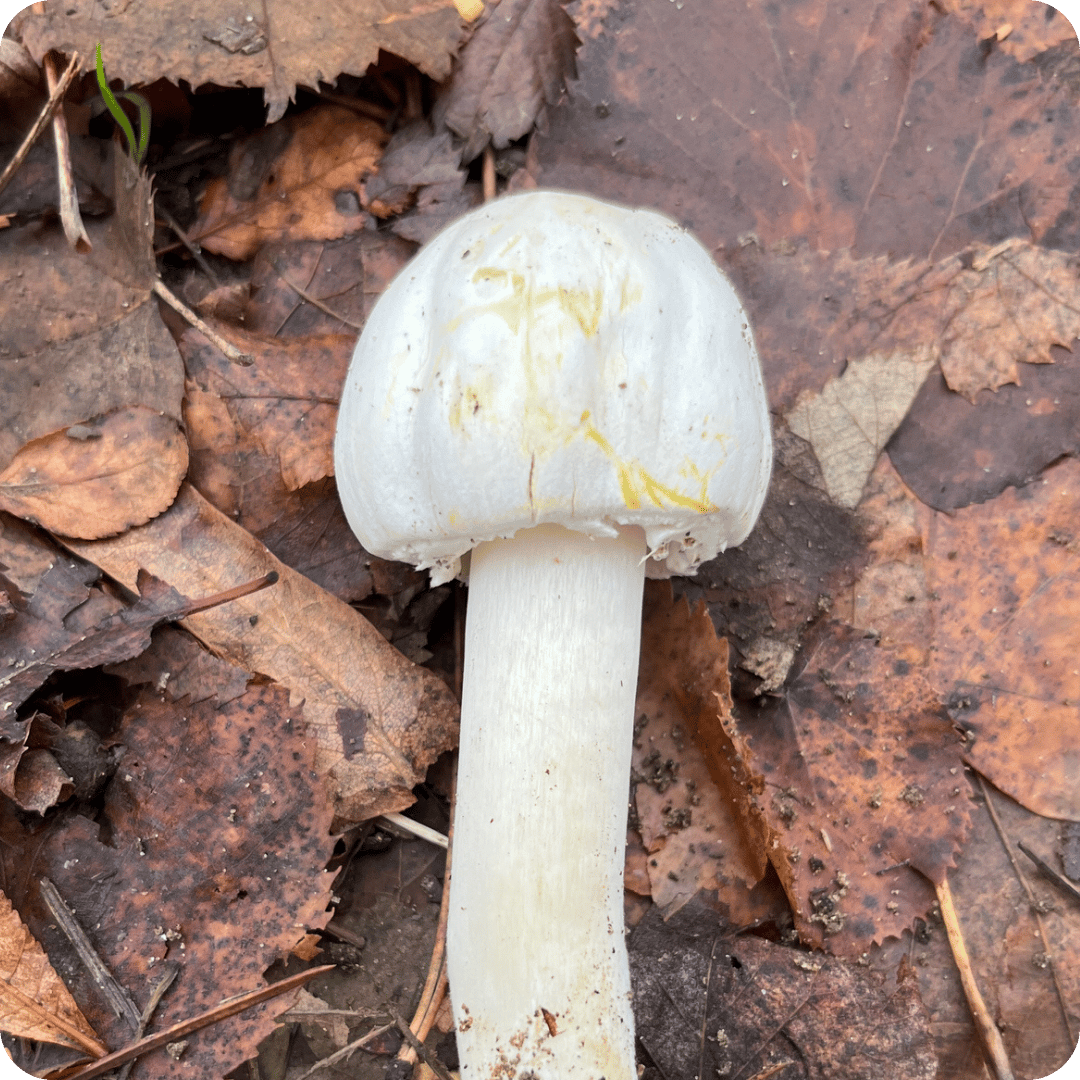
Yellow stainer
Often mistaken for edible field mushrooms, the yellow stainer causes significant gastrointestinal upset, including vomiting and diarrhoea, though it's less commonly fatal than the death cap or destroying angel.
This list isn't exhaustive, and correctly identifying any of these takes real expertise. The main point for owners is simple: several common autumn mushrooms are seriously toxic, and they're not always easy to tell apart
from harmless ones.
Symptoms of Mushroom Poisoning in Dogs
Symptoms vary considerably depending on the type of mushroom eaten, and this is part of what makes mushroom poisoning so dangerous. Some mushrooms cause a fast, obvious reaction, while others cause a deceptive pattern of illness followed by an apparent recovery, before more serious symptoms set in days later.
General signs to watch for include:
- Vomiting and diarrhoea
- Excessive drooling
- Lethargy or weakness
- Disorientation, wobbliness, or tremors
- Abdominal pain
- Jaundice (a yellow tinge to the gums or eyes), which can indicate liver damage
- Seizures in severe cases
With death cap and destroying angel poisoning in particular, dogs can appear to improve after initial vomiting and diarrhoea, only to develop serious liver failure a day or two later. This delayed pattern is exactly why any suspected mushroom ingestion needs a vet's attention immediately, even if your dog seems fine a few hours afterwards.
What To Do If Your Dog Eats a Wild Mushroom
- Contact your vet straight away, even if your dog seems completely normal. Don't wait for symptoms to appear, particularly with the more dangerous species.
- Try to collect a sample of the mushroom, or take a clear photo, without handling it more than necessary. This can help your vet identify the type and decide on the right treatment.
- Note the time of ingestion if you can, since this helps your vet judge how the poisoning might progress.
- Don't try to make your dog vomit at home unless your vet specifically tells you to. Some substances cause more harm coming back up than staying down, and timing matters.
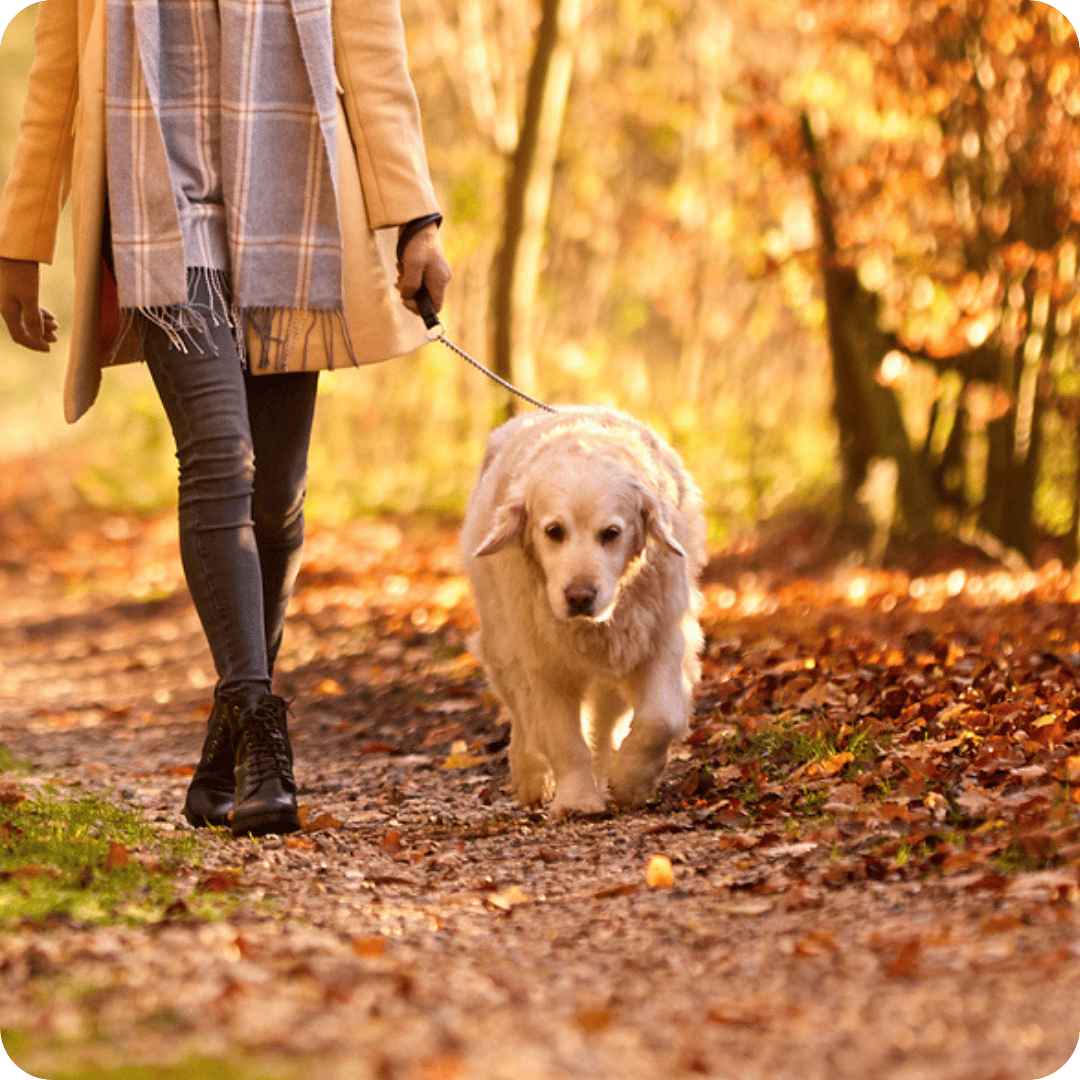
Reducing the Risk This Autumn
- Check your garden regularly during autumn and remove any mushrooms you spot before your dog has the chance to investigate them.
- Keep your dog on a lead in wooded areas or unfamiliar parks during peak mushroom season, particularly after rain.
- Train a solid "leave it" cue, which is genuinely useful for moments when your dog finds something interesting on the ground.
- Supervise off-lead time closely in damp, shaded areas where mushrooms tend to cluster.
- Act fast rather than waiting if you see your dog sniffing at or eating something mushroom-shaped, even if you're not sure what it is.
Supporting Your Dog's Health Year-Round
Mushroom poisoning is a genuine emergency, and prompt veterinary treatment is always the priority if you suspect your dog has eaten something toxic. No diet can prevent or treat mushroom poisoning.
That said, a dog's general liver and organ health can influence how well their body copes with illness and recovers afterwards. A natural, high-quality diet built around good-quality protein, with minimal artificial additives, supports healthy organ function as part of everyday care. At Natural Instinct, our raw recipes are designed to support your dog's overall condition throughout the year, alongside the kind of sensible precautions covered above.
Key Takeaways
- Autumn's damp weather brings a sharp rise in wild mushrooms across gardens, parks, and woodland.
- Toxic and harmless mushrooms can look very similar, so it's safest to prevent your dog from eating any wild mushroom.
- The death cap and destroying angel are among the most dangerous, causing potentially fatal liver damage.
- Symptoms can appear quickly or, in some cases, after a deceptive period of apparent recovery.
- Contact your vet immediately if you suspect your dog has eaten a wild mushroom, even if they seem fine at first.
A quick check of the garden and a close eye on autumn walks can make all the difference this season.
Want to support your dog's overall health and organ function all year round? Explore our health benefits page or browse our raw dog food range.
Frequently Asked Qustions
Yes. Certain species, particularly the death cap and destroying angel, contain toxins that can cause fatal liver damage, even in small amounts.
This depends on the mushroom. Some cause symptoms within an hour or two, while others, including the most dangerous species, can cause an initial recovery followed by serious illness a day or more later.
No, many are harmless, but since toxic and safe mushrooms can look very similar, it's safest to assume any wild mushroom could be dangerous and prevent your dog from eating it.
Contact your vet straight away, even if your dog seems fine. If possible, take a photo or sample of the mushroom to help with identification.
Certain toxins, particularly those in the death cap and destroying angel, cause an initial bout of sickness followed by a deceptive period of apparent recovery before liver damage develops. This is why veterinary attention is needed straight away, not just when symptoms reappear.
Yes. Cooler, damper autumn weather creates ideal conditions for mushrooms to grow, meaning dogs are far more likely to encounter them during this season than in spring or summer.