
 Puppy
Puppy
 Dog
Dog
 Senior
 Beef
Beef
 Chicken
 Lamb
Lamb
 Duck
Duck
 Turkey
 Fish
Fish
 Tripe
Tripe
 Kitten
 Cat
Cat

What Vegetables Can Dogs Eat?
What Vegetables Can Dogs Eat?
If you’ve ever found yourself preparing dinner and wondering, “What vegetables can dogs eat?”, you’re not alone. Many dog owners want to add fresh, natural foods to their pet’s bowl, whether as healthy treats, digestive support, or part of a balanced raw diet.
But can dogs eat vegetables? The short answer is yes, some vegetables are perfectly safe and can even provide health benefits. However, not all vegetables are suitable; some should be fed only in moderation.
Dogs have evolved to thrive on a meat-first diet. Vegetables can support that foundation, but they should never replace high-quality animal protein. In this guide, we’ll explore which vegetables are safe, which require caution, and how to include them responsibly in your dog’s diet.

What Vegetables Can Dogs Eat Safely?
When considering what vegetables can dogs eat, it’s important to understand how your dog’s digestive system works. While dogs can digest certain plant matter, their bodies are optimised for animal protein.
That said, the right vegetables can offer:
- Fibre to support digestion
- Antioxidants
- Low-calorie treats
- Enrichment and variety
Below are common vegetables dog owners ask about, along with practical feeding guidance.
Common Vegetables Dogs Can Eat
Can Dogs Eat Carrots?
Yes, dogs can eat carrots. They are one of the safest and most popular vegetables for dogs.
Carrots are:
- Low-calorie
- High-fibre
- Naturally crunchy
Raw carrots can double as a dental chew, especially for puppies. Cooked carrots are also safe and easier for some dogs to digest. Just cut them into appropriate sizes to reduce choking risk.
Can Dogs Eat Broccoli?
Yes, dogs can eat broccoli, but in moderation.
Broccoli contains antioxidants and fibre, which can support overall health. However, too much broccoli may cause gas or mild digestive upset.
Lightly steaming broccoli can make it easier to digest. Always serve it plain.
Can Dogs Eat Cauliflower?
Cauliflower is safe for dogs in small amounts. Like broccoli, it can cause bloating if fed in large portions.
Both raw and lightly cooked cauliflower are suitable. Introduce gradually and observe how your dog responds.
Can Dogs Eat Peas?
Yes, dogs can eat peas. Fresh or frozen peas are generally safe and contain vitamins and fibre.
Avoid canned peas with added salt or preservatives. While peas can be included occasionally, they should not replace high-quality protein in the diet.
Can Dogs Have Green Beans?
Green beans are an excellent low-calorie treat. Many owners use them for weight management because they’re filling without adding excessive calories.
Fresh, frozen, or lightly steamed green beans are all safe options. Avoid seasoned or salted varieties.
Can Dogs Have Courgette?
Courgette is gentle on the digestive system and low in calories. It’s a safe vegetable when served plain and chopped into manageable pieces.
Can Dogs Eat Spinach?
Spinach is safe in small amounts. It contains iron and antioxidants, but it also contains compounds that can interfere with calcium absorption if fed excessively.
Occasional small servings are fine for healthy dogs.
Can Dogs Eat Kale?
Kale is nutrient-dense but should be fed sparingly. While not toxic, large quantities may contribute to digestive discomfort in some dogs.
Finely chopped kale served occasionally is usually well tolerated.
Can Dogs Have Lettuce?
Yes, dogs can have lettuce. It’s mostly water and low in calories, but it doesn’t offer significant nutritional value.
It can be given as an occasional crunchy snack.
Can Dogs Eat Swede?
Swede (rutabaga) is safe when cooked and fed in moderation. Cooking improves digestibility and reduces the risk of stomach upset.
Can Dogs Have Turnip?
Turnips are safe in small quantities and provide fibre. Light cooking may help make them easier to digest.
Can Dogs Eat Beans?
When people ask can dogs eat beans, the answer depends on the type.
Green beans are safe. However, baked beans or beans cooked with sauces, salt, or spices are not suitable for dogs.
Vegetables That Require Extra Care
Some vegetables are safe but need careful preparation or portion control.
Can Dogs Eat Potatoes?
Dogs can eat potatoes, but only when fully cooked.
Raw potatoes contain solanine, which can be harmful. Green or sprouted potatoes should never be fed.
Even cooked potatoes should be occasional additions rather than dietary staples.
Can Dogs Eat Sweetcorn?
Sweetcorn kernels are safe in small amounts. However, corn on the cob is dangerous due to the risk of intestinal blockage.
Always remove kernels from the cob before offering any to your dog.
Can Dogs Eat Cabbage?
Cabbage is safe but may cause gas or bloating. Small, cooked portions are often better tolerated than raw servings.
Can Dogs Eat Red Cabbage?
Red cabbage follows the same guidelines as green cabbage. It’s safe in moderation but can cause digestive upset if overfed.
Can Dogs Eat Radishes?
Radishes are not toxic, but their peppery flavour may not appeal to dogs. Some dogs may experience mild digestive upset.
Can Dogs Eat Raw Pumpkin?
Plain pumpkin is often recommended for digestive support. However, cooked pumpkin is generally easier for dogs to digest.
Avoid pumpkin pie filling or any sweetened or spiced varieties.

Vegetables Dogs Should Never Eat
While understanding what vegetables dogs can eat is important, knowing which vegetables are unsafe is essential.
Dogs should never eat:
- Onions
- Garlic
- Leeks
- Shallots
- Wild mushrooms
These can cause serious health issues in some dogs, including toxicity and damage to red blood cells.
If your dog consumes any of these, contact your vet immediately.

How Vegetables Fit Into a Balanced Diet
Vegetables can support digestion and add variety, but they should only make up a small portion of your dog’s overall intake.
Dogs thrive on a meat-first, species-appropriate diet. In a properly balanced raw feeding plan:
- Animal protein forms the foundation
- Organs provide essential nutrients
- Bone supports mineral balance
- Vegetables are carefully portioned for fibre and enrichment
Simply adding vegetables to a bowl does not create balance. Proper formulation is key to ensuring your dog receives everything they need.

How to Prepare Vegetables for Dogs
Preparation matters.
Follow these guidelines:
- Wash thoroughly
- Remove tough skins or stems
- Chop into bite-sized pieces
- Lightly steam tougher vegetables
- Avoid seasoning, oils, butter, or salt
- Introduce new foods gradually
Some dogs digest blended vegetables more easily, especially when included in a balanced raw meal.
Monitor your dog for signs of intolerance, such as loose stools or bloating.

How Much Vegetables Should a Dog Eat?
Vegetables should be considered extras, not primary sources of calories.
Portion size depends on:
- Your dog’s size
- Activity level
- Overall diet
- Individual tolerance
In most cases, vegetables should only make up a small percentage of the total diet. Overfeeding plant matter may dilute essential nutrients from protein sources.
Final Thoughts: What Vegetables Can Dogs Eat?
So, what vegetables can dogs eat?
Many common options, including carrots, broccoli, peas, green beans, and courgette, are safe when prepared properly and fed in moderation. Others, like potatoes and sweetcorn, require careful preparation. And some, like onions and garlic, should never be fed.
Vegetables can add fibre, enrichment, and variety. But they should always complement a high-quality, meat-first diet rather than replace it.
If you’re looking to improve your dog’s nutrition, focusing on balance and species-appropriate feeding will always have a greater impact than simply adding vegetables.
Making informed choices helps your dog thrive, and that starts with understanding exactly what belongs in their bowl.
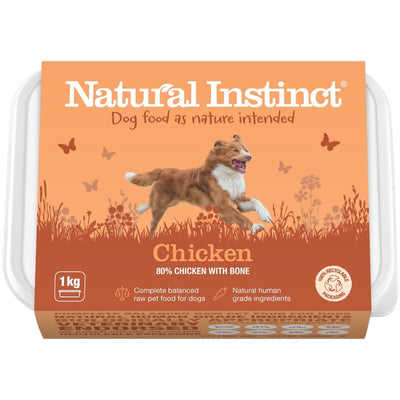
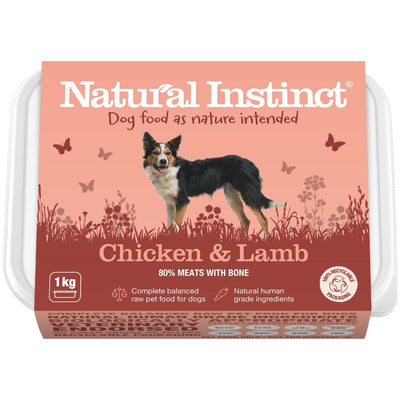
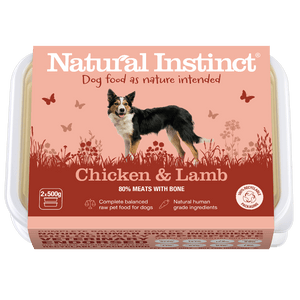
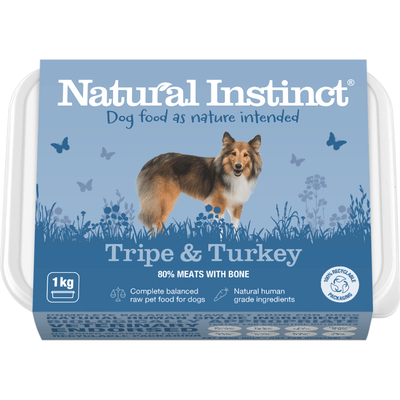
Raw Recipes With Vegetables


FAQs
Yes, dogs can eat certain vegetables daily in small amounts, but they should not replace a balanced, meat-first diet.
Onions, garlic, leeks, shallots, and wild mushrooms are toxic to dogs and should never be fed.
Both can be safe, but lightly cooked vegetables are often easier for dogs to digest. Always serve plain without seasoning.