
 Puppy
Puppy
 Dog
Dog
 Senior
 Beef
Beef
 Chicken
 Duck
Duck
 Fish
Fish
 Lamb
Lamb
 Tripe
Tripe
 Turkey
 Kitten
 Cat
Cat

Why Does My Dog Stare at Me? 12 Reasons Behind That Intense Gaze
You look up, and your dog is already staring at you.
No barking. No movement. Just steady eye contact.
It can feel sweet… or slightly unsettling. So, why does my dog stare at me like that?
In most cases, staring is completely normal. Dogs use eye contact to communicate. The meaning depends on timing, body language, and routine. Sometimes it’s affection. Sometimes it’s hunger. Sometimes it’s simply curiosity.
Let’s break down what your dog may be trying to tell you, and how to respond.
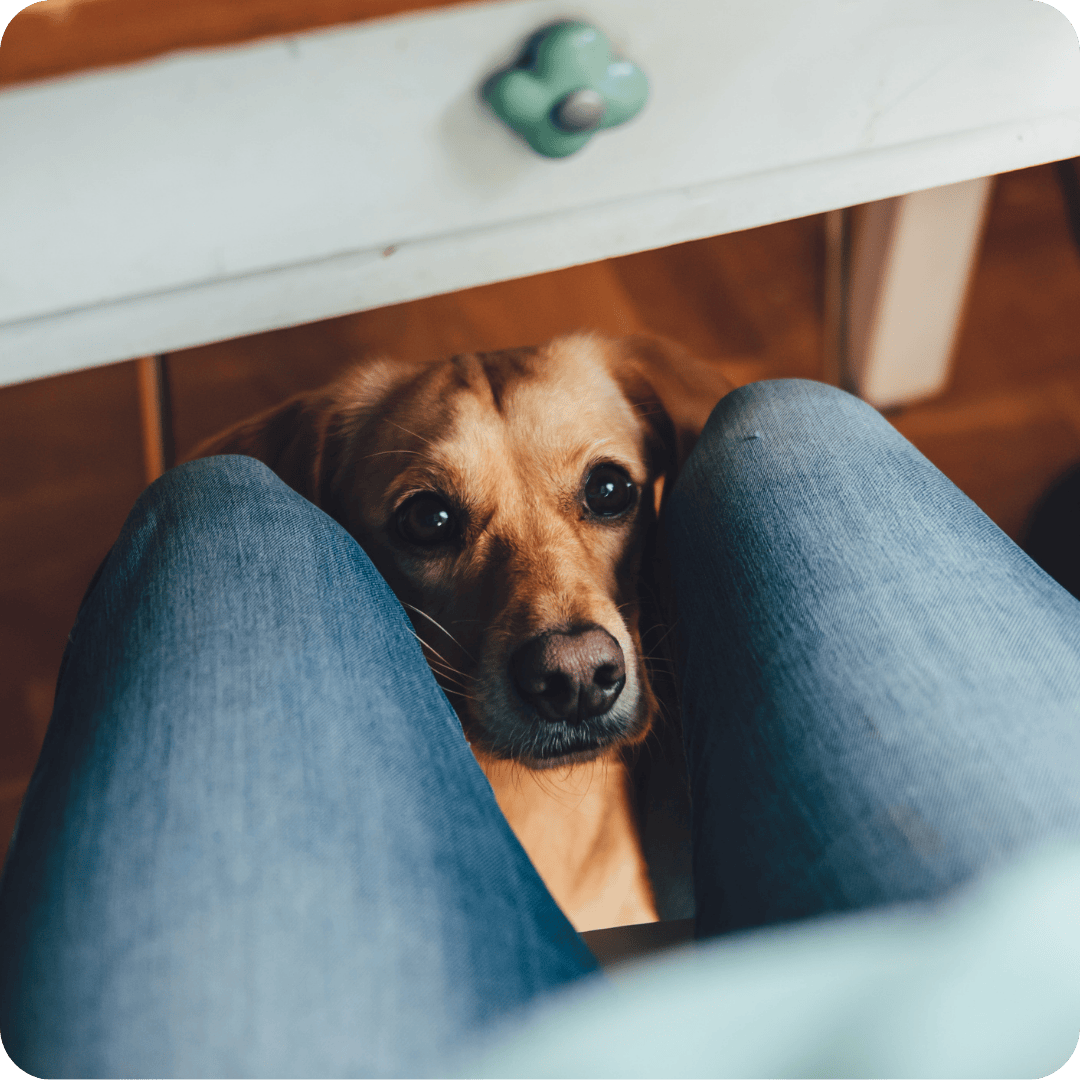
Why Does My Dog Stare at Me?
Dogs stare to communicate. That’s the short answer.
Your dog might be saying:
- “I want something.”
- “I love you.”
- “What’s happening next?”
- “I don’t feel right.”
- Or simply, “I’m watching you.”
If you’re wondering why does my dog stare at me constantly, look at the full picture, body posture, energy level, and what’s happening around them.
12 Common Reasons Your Dog Stares at You
1. They Want Something
This is the most common reason.
Your dog may want food, a walk, attention, or play. If staring worked before, they’ll use it again.
Dogs repeat behaviours that get results.
2. They’re Showing Affection
Soft eyes and a relaxed body usually mean love.
Calm eye contact can strengthen bonding between dogs and their owners. If your dog looks relaxed and content, the stare is likely positive.
3. They’re Waiting for a Cue
Dogs watch us for direction.
If you’ve done training together, your dog may stare while waiting for a command or signal. This shows focus and engagement.
4. They’re Trying to Read You
Dogs study facial expressions and tone of voice.
If you’re upset, excited, or doing something unusual, your dog may stare to understand what’s going on.
5. They’re Hungry
If you’re asking, why does my dog stare at me while I eat, the answer is simple: food.
Dogs are highly motivated by scent and routine. If you’re preparing or eating food, they may be waiting for a chance to share.
Persistent food-seeking can sometimes relate to how satisfied your dog feels after meals.
6. They’re Feeling Anxious
Not all staring is positive.
Watch for signs like:
- Stiff posture
- Lip licking
- Yawning when not tired
- Pacing
If the body looks tense, your dog may be stressed or unsure.
7. They’ve Learned It Works
If staring gets attention, it becomes a habit.
Even saying “What do you want?” can reinforce the behaviour. If your dog watches you all the time, think about what usually happens next.
8. They’re Guarding Something
A hard, fixed stare with a stiff body can signal resource guarding.
This often happens around food, toys, or resting spots. If you see freezing or growling, seek help from a qualified trainer.
9. They’re Curious
Dogs are naturally observant.
If you’re cooking, packing a bag, or putting on shoes, your dog may stare to figure out what’s about to happen.
They like predictability.
10. They Don’t Feel Well
Behaviour changes can signal health issues.
If staring increases suddenly and is paired with:
- Low energy
- Appetite changes
- Restlessness
It’s best to consult your veterinarian.
11. They’re Bonded to You
Dogs are social animals.
If your dog follows you with their eyes from room to room, it often means attachment. Calm watching is usually a sign of security.
12. They Enjoy Watching You
Sometimes, there’s no deeper meaning.
You are the most interesting part of your dog’s world. Watching you may simply be entertaining and comforting.
Is It Normal for Dogs to Make Eye Contact?
Yes, especially with their own family.
Healthy eye contact looks like:
- Relaxed face
- Loose posture
- Gentle blinking
- Calm breathing
However, prolonged hard staring between unfamiliar dogs can feel threatening. Context matters.
If your dog stares without blinking but otherwise looks relaxed, it’s usually harmless.
How Diet and Routine Can Affect Staring
Staring is communication, but routine and nutrition can influence how often it happens.
Stable Feeding Schedules
Dogs thrive on consistency. Predictable mealtimes reduce anxiety and excessive food anticipation.
Feeling Full and Satisfied
If a dog doesn’t feel satisfied after eating, they may continue seeking food through staring or hovering.
Nutrient-dense, balanced meals often help dogs feel full longer and stay calmer between meals.
Predictable Daily Structure
Consistent walks, meals, and rest periods reduce uncertainty. When dogs know what to expect, they don’t need to “check in” as often.
Routine builds confidence.
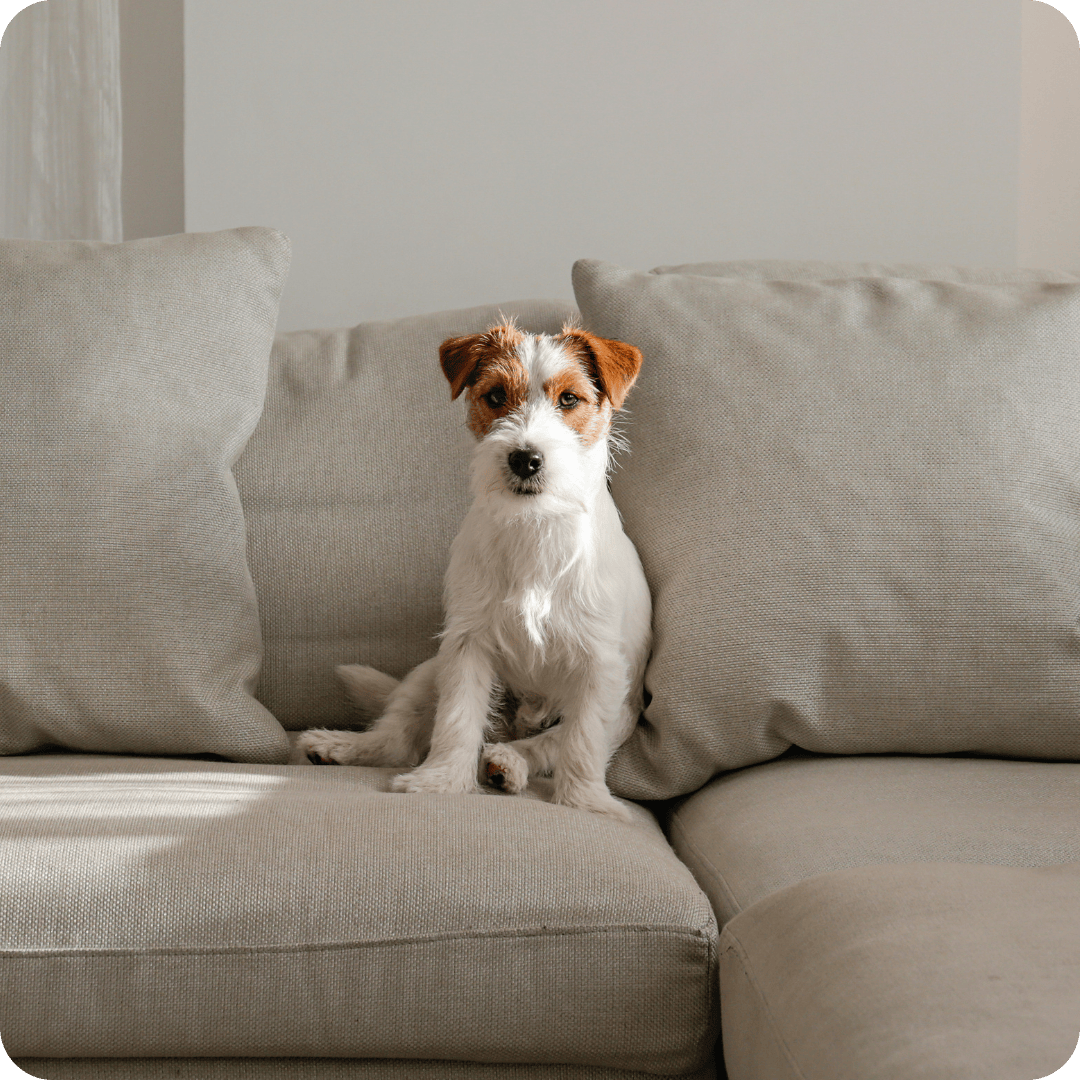
How Should You Respond?
First, observe.
Ask:
- What time is it?
- What just happened?
- What does their body look like?
If the stare is soft and relaxed, enjoy it.
If it’s demand-based and you want to reduce it, avoid rewarding it immediately. Instead, reward calm behaviour.
If staring is new or paired with other changes, consult your veterinarian.
The Bottom Line
If you’re asking, Why does my dog stare at me, the answer is usually simple.
Staring is communication.
It can mean love, hunger, curiosity, routine, or stress. Look at the full context before assuming the worst.
In a calm, well-fed, secure dog, staring is often just another way of staying connected to you.
And sometimes, it simply means you’re their favourite person.
Supporting Calm, Balanced Behaviour Naturally
Understanding why your dog stares at you is about more than solving a behaviour mystery. It’s about recognising communication, and supporting your dog in a way that helps them feel secure, satisfied and well.
Routine, enrichment, training and nutrition all play a role.
For many owners, feeding a biologically appropriate raw diet is one way to support:
- Longer-lasting satiety
- Stable energy levels
- Healthy digestion
- Overall wellbeing
When dogs feel properly nourished, their behaviour often becomes more settled and predictable, including around food and attention-seeking moments.
If you’re exploring raw feeding and want to learn more about complete and balanced options, you can explore the Natural Instinct range or read through our feeding guides to see what might suit your dog best.
Every dog is different, but understanding their needs is always the first step.
FAQs
A dog staring without blinking can mean intense focus, anticipation, or communication. If their body is relaxed,it’s usually harmless and may signal affection or expectation (like waiting for food or a walk). However, if the stare is hard and paired with stiffness, growling, or tension, it could indicate stress or resource guarding.
Dogs watch their owners because they are highly social and observant animals. Your dog may be monitoring you for cues, waiting for interaction, or simply feeling bonded and secure. Dogs often follow and watch the people they trust most.
You should be concerned if staring is sudden, intense, or paired with unusual symptoms such as lethargy, appetite changes, confusion, pacing, or aggression. Behavioural changes combined with staring can sometimes signal anxiety, cognitive issues, or medical concerns, and a veterinarian should evaluate them.