 Puppy
Puppy
 Dog
Dog
 Senior
 Beef
Beef
 Chicken
 Lamb
Lamb
 Duck
Duck
 Turkey
 Fish
Fish
 Tripe
Tripe
 Kitten
 Cat
Cat
If you’re asking “Can dogs eat raw meat?”, you’re not behind, you’re being careful. Raw feeding is often discussed online, but much of the information can feel extreme, confusing, or one-sided. If you don’t currently feed raw, it’s completely normal to have questions.
We’ve written this guide to help you understand what raw feeding actually is, whether it can be safe, and what to consider before deciding if it’s right for you and your dog. No pressure, no judgment, just clear information so you can make your own choice.

Can Dogs Eat Raw Meat?
Can dogs eat raw meat?
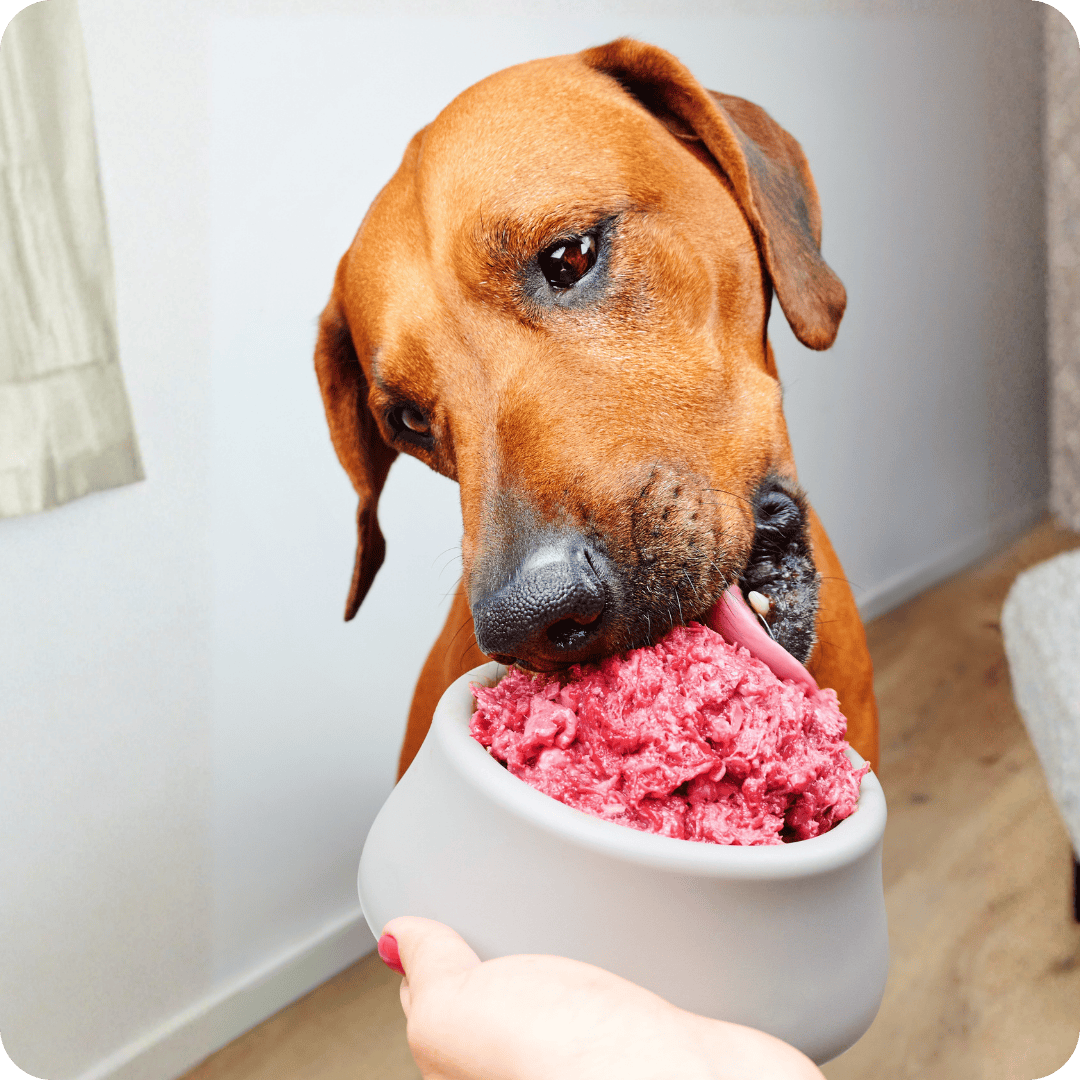
Yes, dogs can eat raw meat.
Dogs evolved to eat animal protein, and their bodies are built differently from ours. They have:
- Strong stomach acid that helps break down raw food
- Short digestive tracts, which reduce the time bacteria can multiply
- Teeth designed for tearing and chewing meat
However, being able to eat raw meat doesn’t mean all raw feeding is automatically safe or healthy. The quality of the meat, how it’s handled, and whether the diet is balanced all matter.
Raw feeding isn’t about throwing your dog a raw steak and hoping for the best. When done properly, it’s a considered way of feeding that focuses on nutrition, balance, and safety.

What is raw dog food?
Raw dog food is a feeding approach based on uncooked animal ingredients designed to meet a dog’s nutritional needs.
It usually falls into two categories:
- Complete raw meals, which are already nutritionally balanced
- DIY raw feeding, where owners prepare meals themselves
What raw dog food typically includes
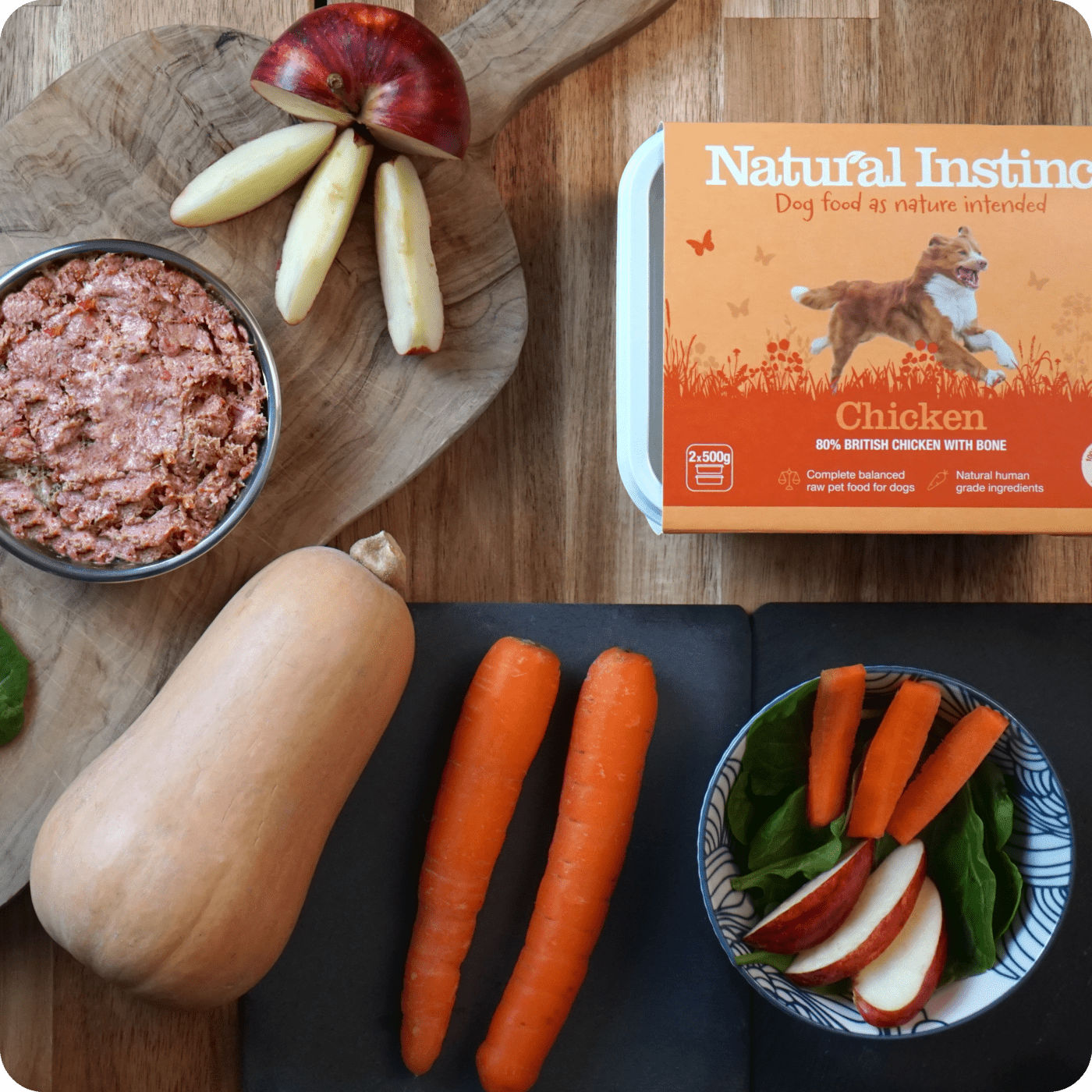
A raw diet may contain:
- Muscle meat (such as beef, chicken, or turkey)
- Organs like liver and kidney
- Raw, edible bone for calcium
- Sometimes fruits, vegetables, oils, and supplements
Complete raw meals are formulated to provide all essential nutrients in the correct ratios. DIY raw feeding requires more knowledge and planning to avoid deficiencies.
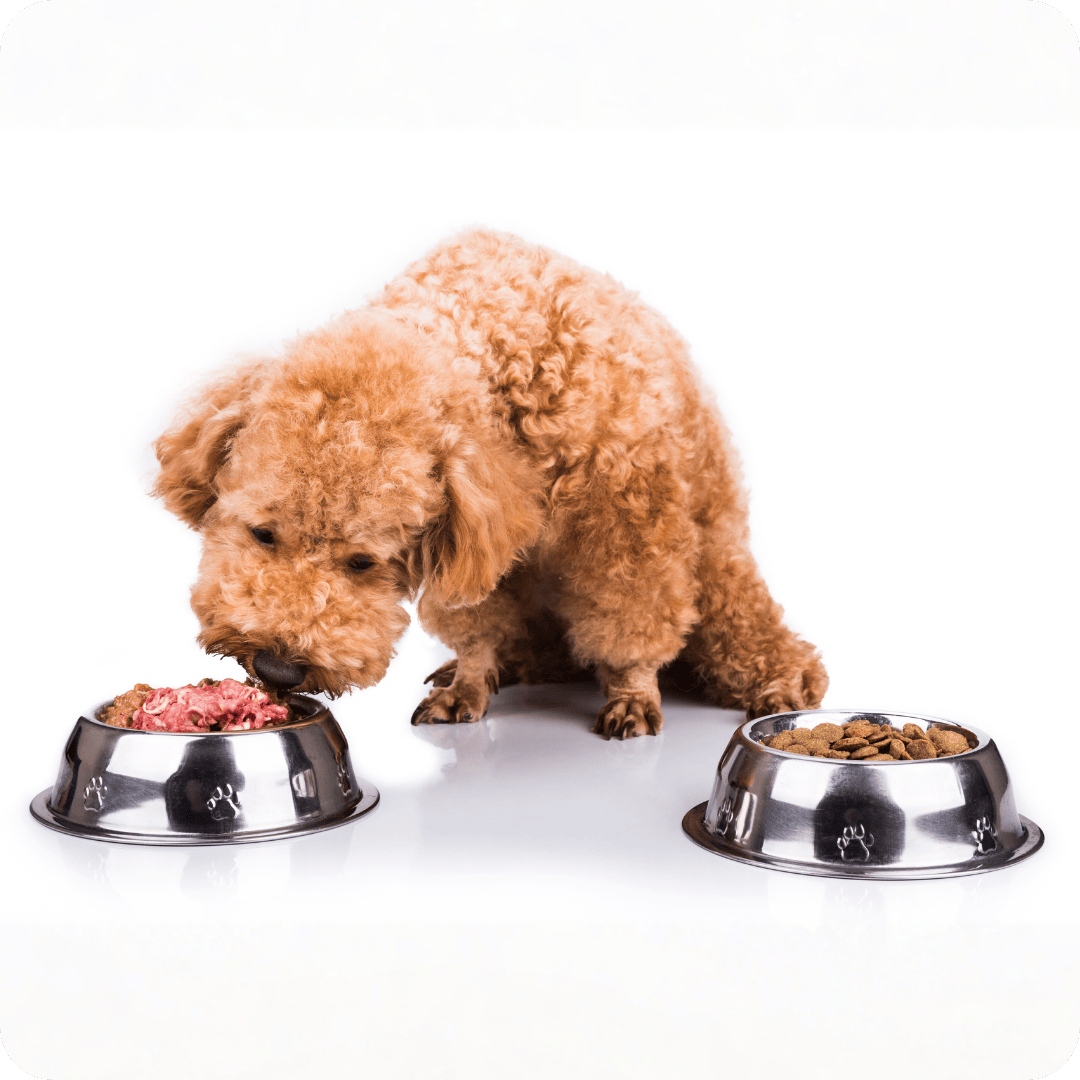
Raw dog food vs cooked dog food
The biggest difference is processing.
Raw food is not cooked, meaning:
- Nutrients are less altered by heat
- Proteins remain closer to their natural state
- Artificial preservatives aren’t needed
- No grains or fillers
Cooked dog food, especially kibble, is often heavily processed to extend shelf life. For some owners, raw feeding feels closer to a dog’s natural diet, while others prefer cooked options for convenience.
Neither approach is automatically “better”, it comes down to what suits your dog and your lifestyle.

Is raw food good for dogs?
One of the most common questions dog owners ask is “is raw food good for dogs?”
For many dogs, absolutely, when it’s done properly.

Potential benefits of raw feeding
Some owners report improvements such as:
- Better digestion and smaller, firmer stools
- Healthier skin and shinier coats
- Improved dental health due to chewing
- Increased enjoyment of meals
These benefits often come from higher-quality ingredients and fewer fillers rather than raw feeding alone. You can read more about the benefits of raw dog food here.

Potential risks and considerations
Raw feeding is completely safe when purchased through a reputable brand.
Things to consider include:
- Bacteria risks from improper handling and storage
- Nutritional imbalance in DIY diets
- Follow transition guidance to ensure a smooth switch to raw
Dogs with compromised immune systems or certain medical conditions may need a different approach. This is why many owners choose complete raw meals, particularly when starting out.
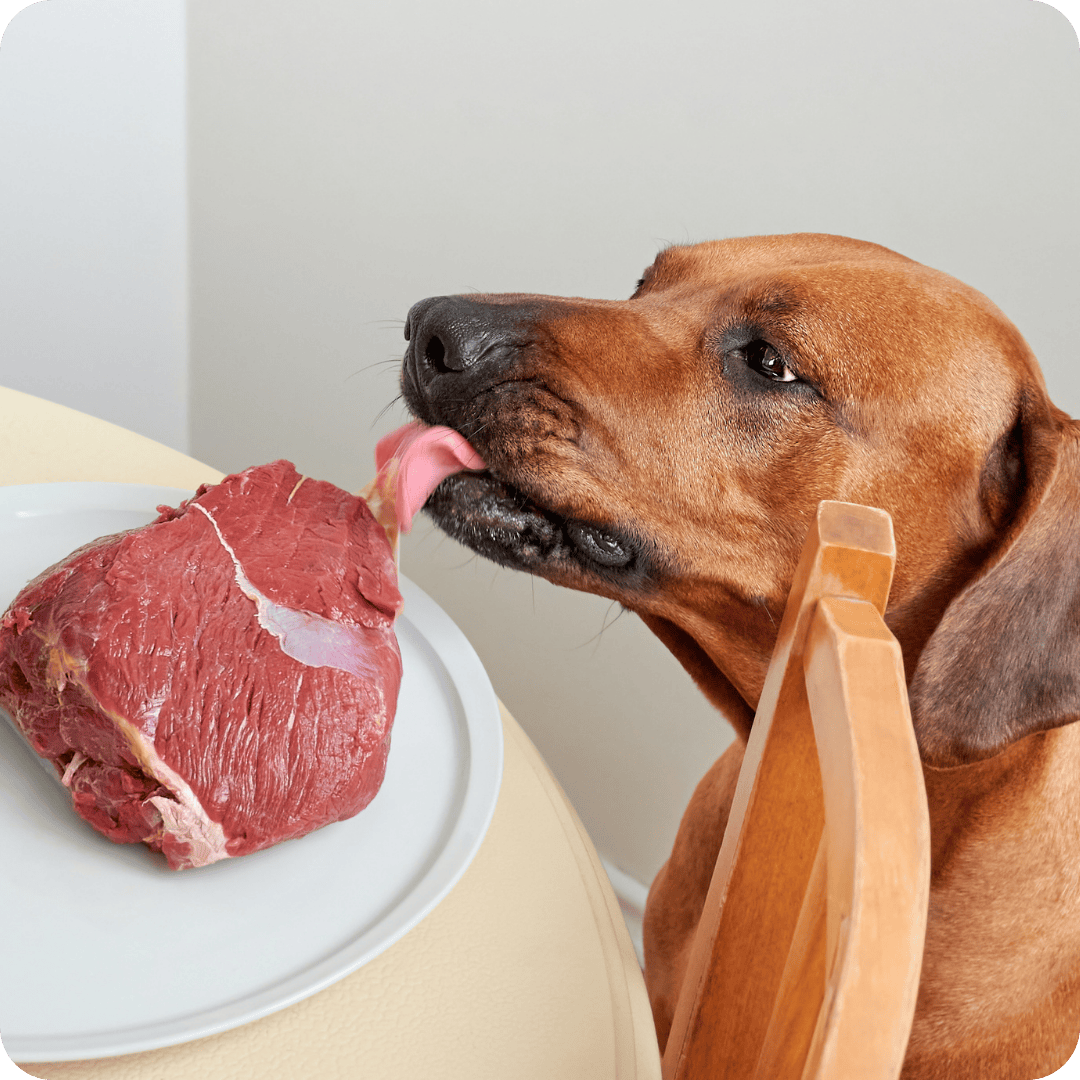
Can dogs eat raw beef?
A common follow-up question is can dogs eat raw beef?
Yes, many dogs can eat raw beef, and it’s a popular protein in raw dog food.
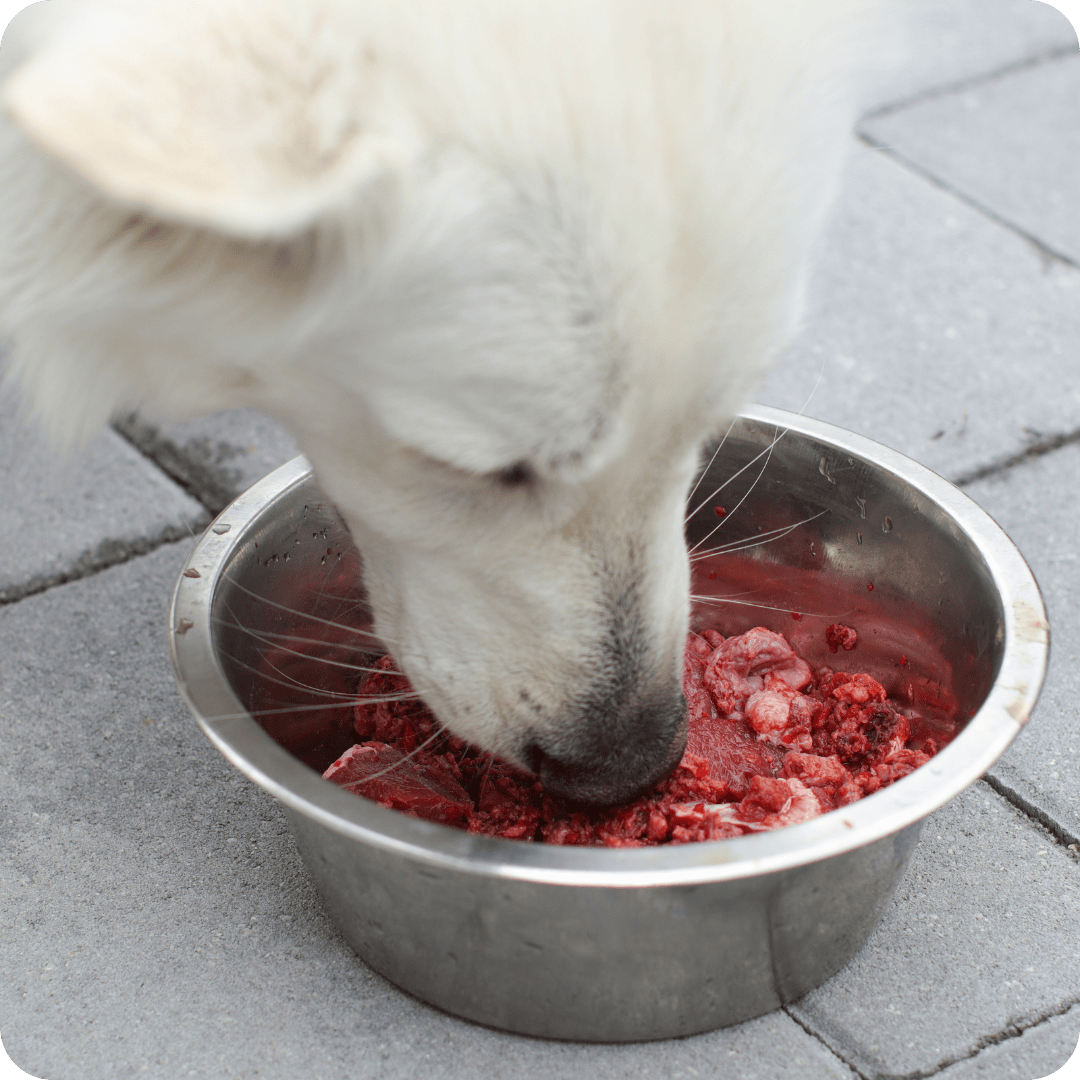
Is raw beef safe for dogs?
Raw beef can be safe when:
- It’s sourced from reputable suppliers
- Stored correctly and defrosted safely
- Fed as part of a balanced diet
Problems tend to arise when dogs are fed random raw meat without considering fat levels, bone content, or overall nutrition.

Raw beef as part of a balanced diet
Raw beef alone is not a complete meal. Dogs also need:
- Calcium, often from raw bone
- Vitamins and minerals from organs
- A balance of nutrients over time
This is why feeding raw beef as part of a complete raw meal is usually safer than offering it on its own.
Can dogs eat raw meat safely?
Safety is often the biggest concern for owners wondering whether dogs can eat raw meat at all.
The good news is that many risks can be reduced with sensible precautions.

Safety tips for feeding raw meat
- Store raw food frozen until needed
- Defrost in sealed containers
- Clean bowls and surfaces thoroughly
- Wash hands after handling raw food
- Don’t leave raw food out for long periods
Basic hygiene makes a big difference.
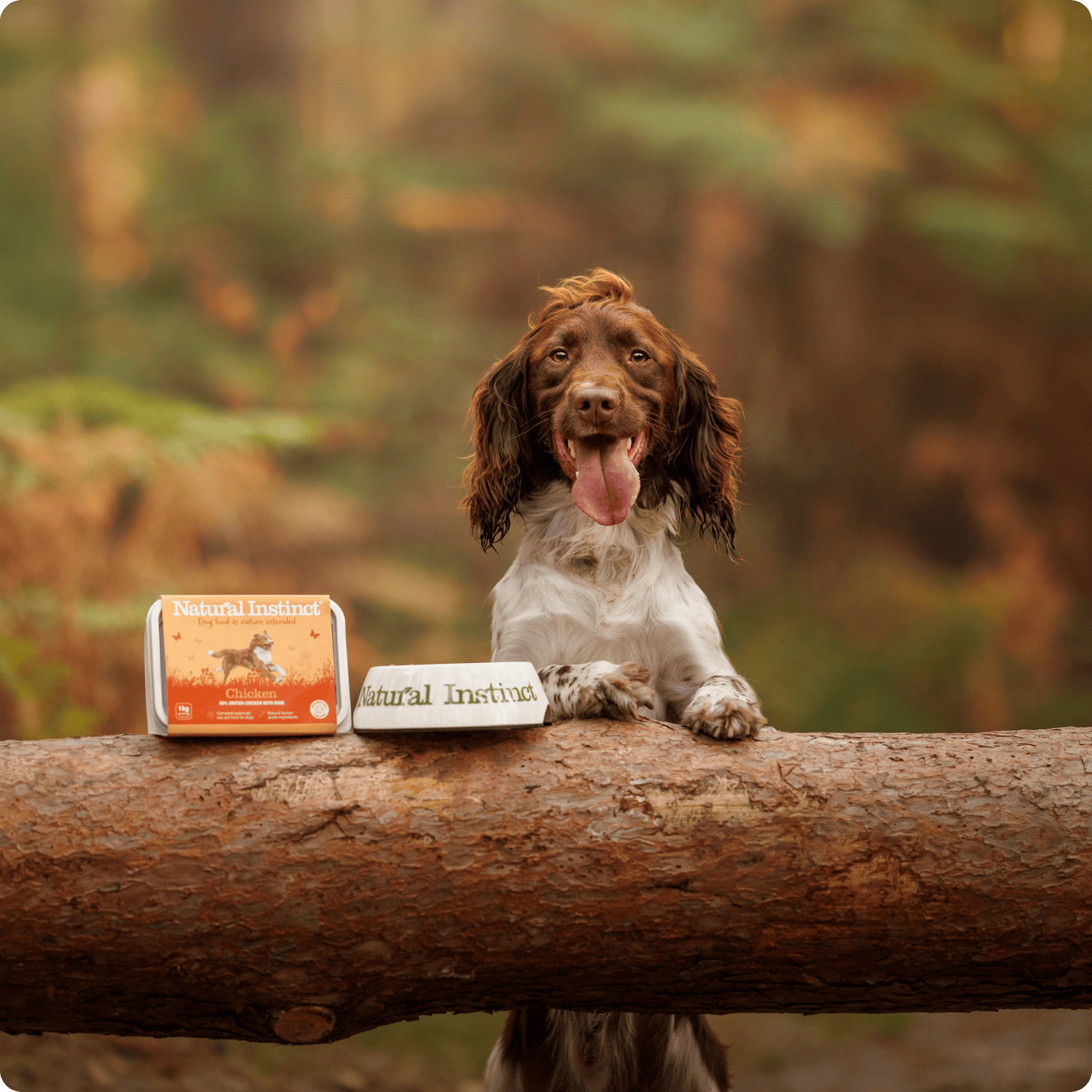
Choosing complete raw dog food
For owners new to raw feeding, complete raw meals offer reassurance. Benefits include:
- Balanced nutrition without guesswork
- Clear ingredient information
- Reduced risk of deficiencies
- Easier portioning and storage
They’re often the most practical starting point for cautious owners.
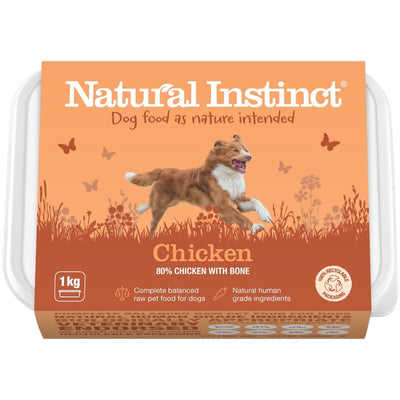
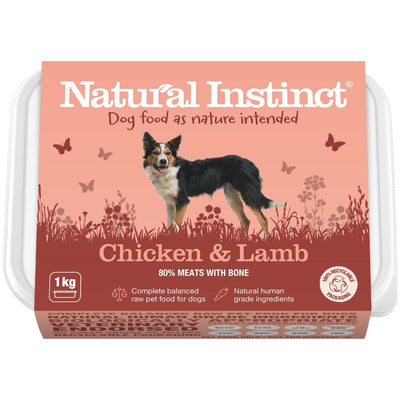
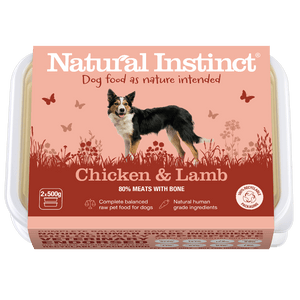
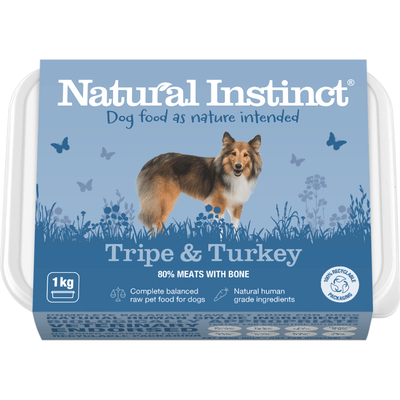
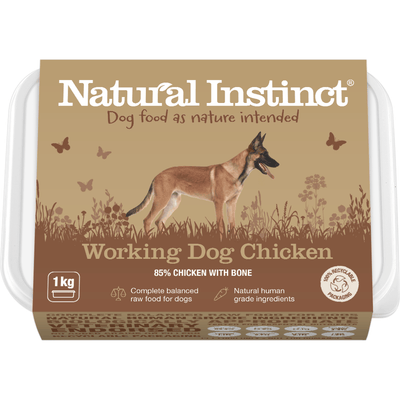
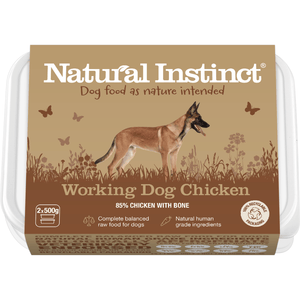
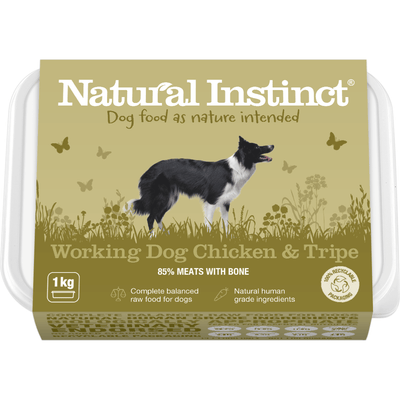
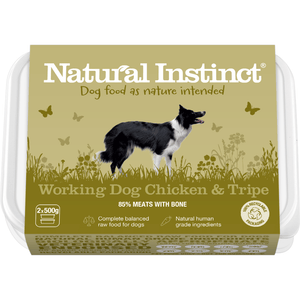
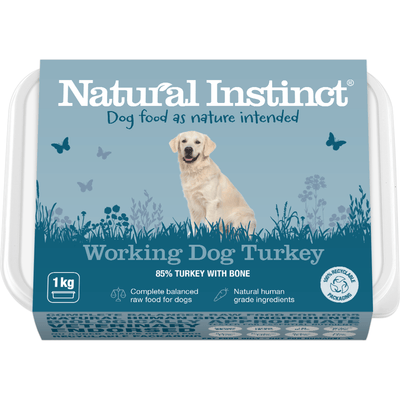
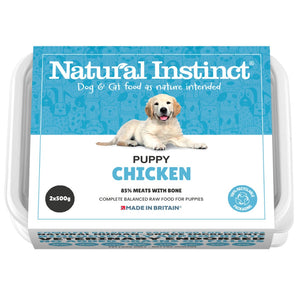
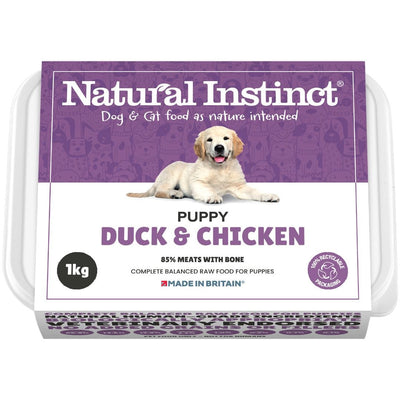
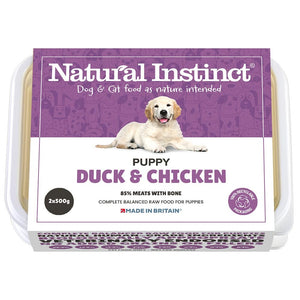
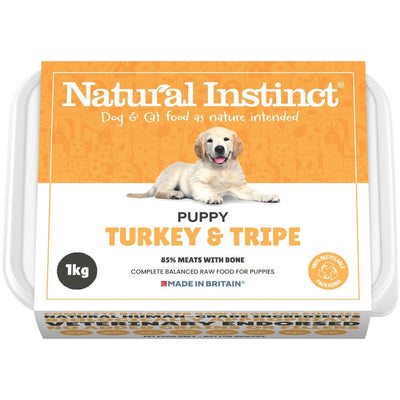
Explore our Complete Raw Meals


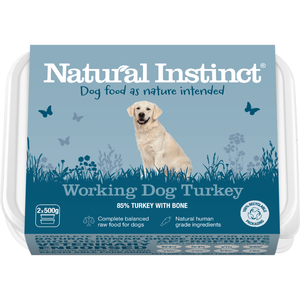
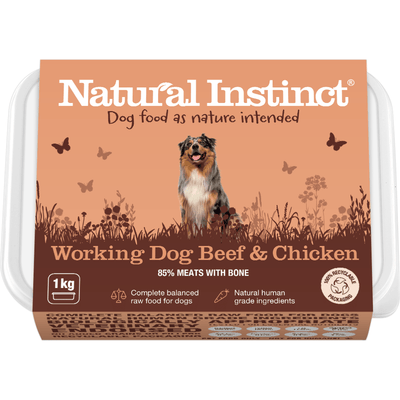
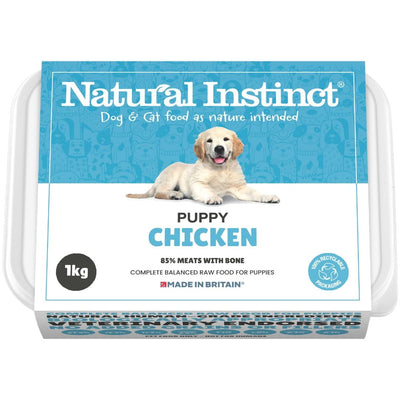
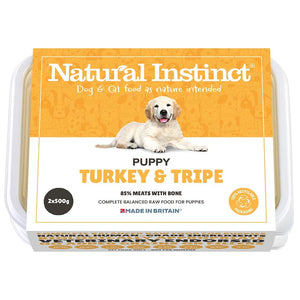


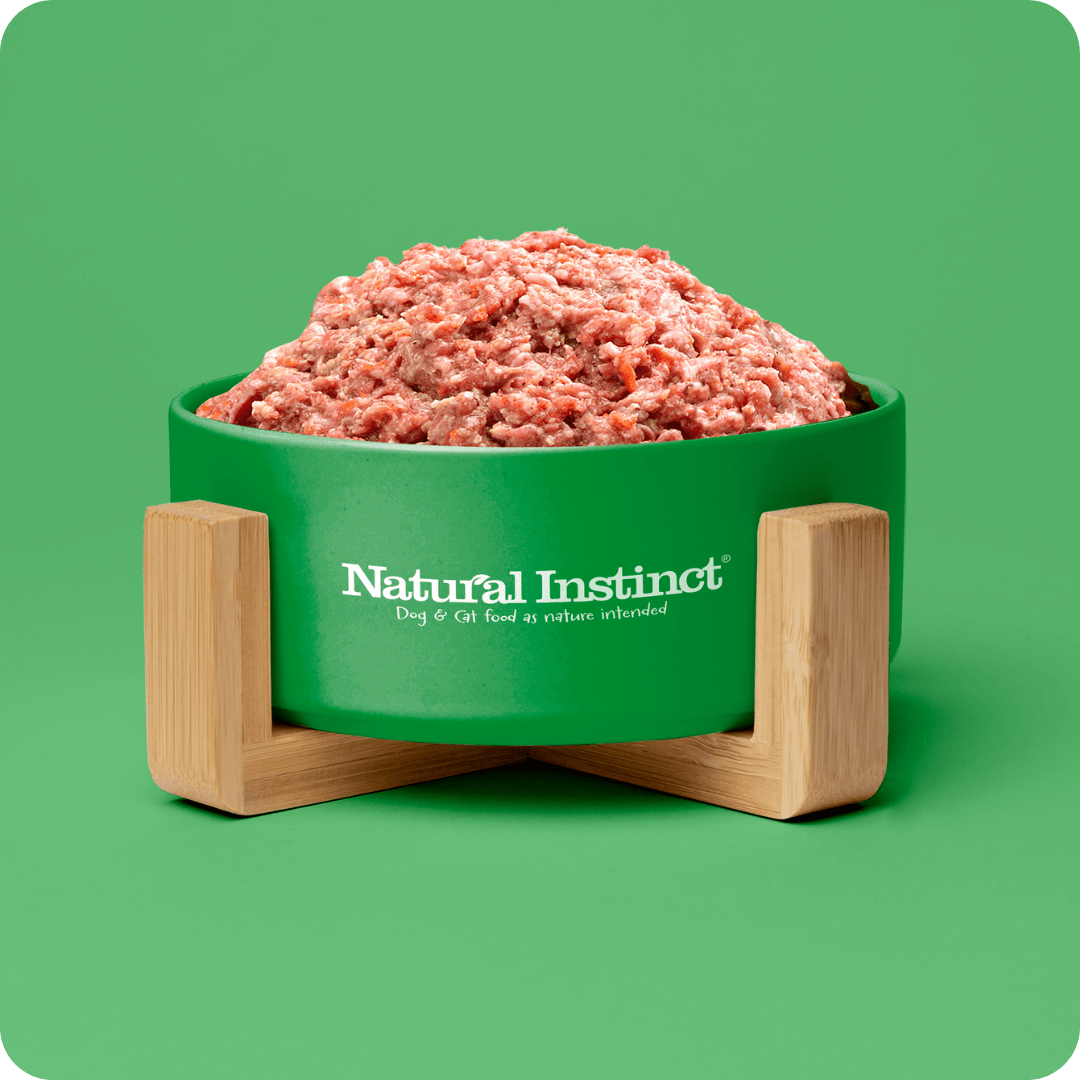
Is raw feeding right for every dog owner?
Raw feeding isn’t a requirement, and it’s not right for everyone.
Before deciding, it’s worth thinking about:
- Your comfort level handling raw food
- Storage space in your freezer
- Your dog’s health, age, and needs
It’s also important to remember that feeding choices don’t have to be all-or-nothing. Some owners transition slowly, while others explore raw alongside other feeding options. You can read our handy transition guide here.

Final thoughts: should you consider raw feeding?
So, can dogs eat raw meat? Yes, but the details matter.
Raw feeding can work well for many dogs when it’s:
- Properly balanced
- Safely handled
- Chosen with your dog’s individual needs in mind
If you’re curious, learning more is a positive first step. Whether you decide to try raw feeding or not, understanding your options helps you make confident, informed decisions about what you put in your dog’s bowl.
FAQ's: Can dogs eat raw meat?
Yes, dogs can eat raw meat safely when it is properly sourced, stored, and fed as part of a balanced diet. Dogs have digestive systems designed to handle raw animal protein, but safety depends on proper hygiene, correct handling, and a balanced diet. Feeding complete raw meals rather than random raw meat helps reduce risks.
Raw food can be good for dogs that have never eaten it before, but it’s best to transition gradually. Introducing raw slowly allows your dog’s digestive system to adjust and helps owners monitor tolerance. Many first-time raw feeders choose complete raw meals to ensure their dog receives balanced nutrition from the start.
Dogs can eat raw beef, but it should be part of a balanced diet rather than fed on its own. Raw beef provides protein and fats, but dogs also need organs, calcium, and other nutrients to stay healthy. Feeding raw beef as part of a complete raw meal helps ensure nutritional requirements are met.